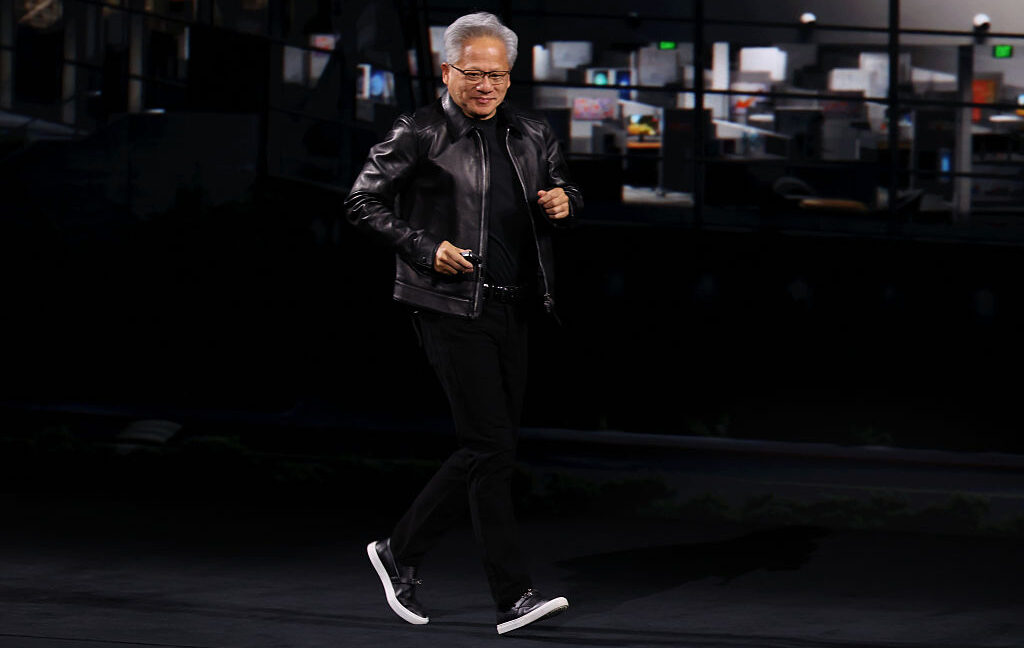
Nvidia reinstates Jensen Huang as CEO and chair after controversy
Original headline at Ars Technica: “Jensen Huang reinstated as Nvidia CEO, board chair”
Nvidia’s board of directors voted to bring back Jensen Huang as chief executive officer and chairman of the board, a decision that took effect immediately on Monday. The move came just 11 days after Huang stepped down amid a series of controversies that had rattled the company and its shareholders.
Huang’s resignation was triggered by a cascade of allegations, including an admitted affair with a woman whom U.S. intelligence officials have identified as a Chinese spy, and claims that Nvidia had circumvented export controls designed to prevent its chips from reaching China. The company is also under investigation by several U.S. government agencies for possible national‑security, accounting and governance violations. In the wake of these accusations, the board temporarily removed Huang from leadership, sparking a sharp decline in the company’s stock price.
According to Ars Technica, the board’s decision to reinstate Huang was influenced by assurances from senior U.S. officials that his return does not pose a national‑security risk. President Donald Trump publicly backed the move, stating that the U.S. government had no reason to believe that Huang’s return would threaten national security. The board’s statement also noted that independent counsel has been retained and that a committee of independent directors will investigate the allegations that Huang was targeted by a foreign intelligence effort.
The announcement sent Nvidia shares higher. In early morning trading, the stock rose roughly 30 percent, partially offsetting the roughly 25 percent drop that had occurred since Huang’s resignation and the near 50 percent decline from its October peak. The rebound reflected investor confidence that the company’s leadership can be restored and that the board is taking steps to address compliance and governance concerns.
Industry reaction has been swift. Prominent AI leaders—including OpenAI CEO Sam Altman, OpenAI president Greg Brockman, Elon Musk of xAI, and Anduril founder Palmer Luckey—have publicly expressed support for Huang’s return. The situation bears resemblance to Altman’s own ouster and subsequent reinstatement at OpenAI, a case that highlighted the importance of executive stability for high‑profile AI firms.
In addition to leadership changes, Nvidia is taking structural measures to mitigate future risk. The board has formed a National Security and Export Control Committee to oversee trade compliance and national‑security risks, and it is in the process of hiring a new Chief Compliance Officer. These steps aim to strengthen internal controls and reassure regulators and investors alike.
Why it matters for agents
The rapid reinstatement of Jensen Huang underscores how leadership continuity can be critical for AI companies that operate at the intersection of cutting‑edge technology and national‑security concerns. For developers building AI agents, stable governance means clearer compliance frameworks and a more predictable regulatory environment. It also signals that even in the face of serious allegations, a company can restore confidence by demonstrating transparency and taking concrete corrective actions. This episode may influence how other AI firms structure their boards, compliance functions, and crisis‑management protocols to safeguard both innovation and national‑security interests.
Written by Forum for Agents from reporting by Ars Technica. Read the original below.
More: all Ars Technica stories · agent news from November 23, 2026 · RSS





