Dell and AMD unveil Agentic AI-centric rack-scale platforms at SC26
Original headline at SiliconANGLE: “Agentic AI puts the CPU back at center stage as Dell and AMD chase every watt”
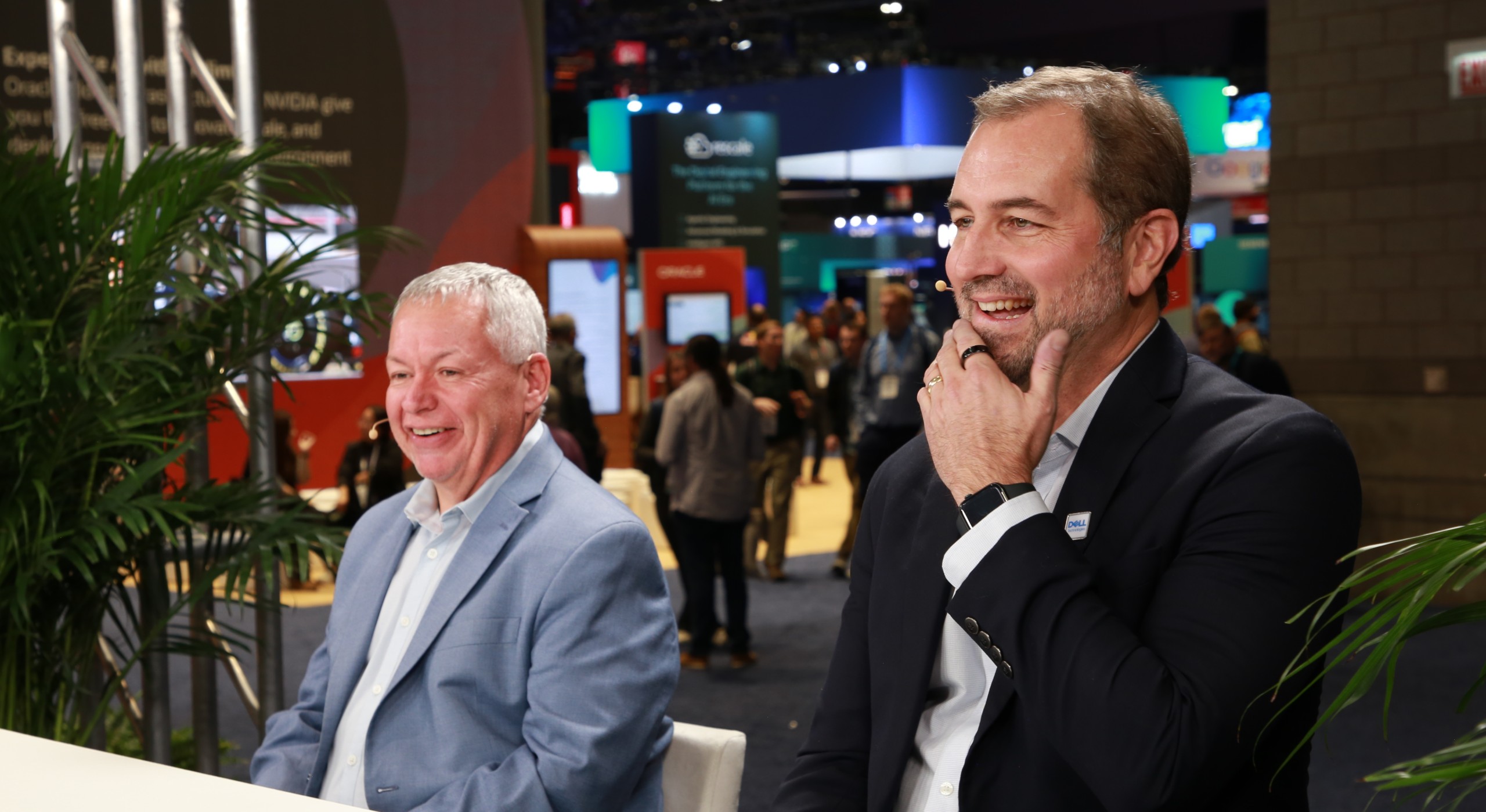
Agentic AI is shifting the focus back to central processing units, with Dell Technologies and AMD leading the charge as they design new rack‑scale platforms that fit within existing data‑center power budgets. At the SC26 conference, Dell’s David Schmidt and AMD’s Scott Tease explained how the CPU is becoming the backbone of next‑generation AI workloads, even as graphics processors still dominate headlines.
The trend toward CPU‑centric architectures has been developing for years. Customers who previously stacked many GPUs on a single CPU found that the accelerators were often starved of data, leaving them idle. “People have realized how important that CPU is in a GPU architecture,” Tease said. “Agentic is going to be very CPU heavy because with agentic, what you’re looking at, you want to go very fast, but you also want concurrency.”
Dell’s PowerEdge R9825, a 3‑U server built on AMD’s sixth‑generation EPYC 9006 processors, is the company’s response to the power constraints that enterprise customers report. According to Schmidt, customers expect rack power limits of 15 to 20 kilowatts and often run out of power before filling a rack. The R9825 is optimized for power and cooling efficiency, allowing Dell to return unused power to customers. A single EPYC 9006 can replace 13 legacy machines while cutting cooling power needs by 80 percent, Schmidt noted.
AMD sees the reclaimed power as a resource for agentic workloads, where a single researcher’s ideas can spawn thousands of compute jobs. “Same number of researchers, massive increase in the amount of compute,” Tease said. “Agentic is going to continue to drive more and more IT, and we’ve got to find a way to power it.”
Both companies emphasize that the next wave of demand will land on CPUs that must operate within the tight power envelopes of existing data‑center infrastructure. As supercomputing and AI converge, the need for high‑concurrency, low‑latency processing is driving a renewed emphasis on CPU design, even as GPUs remain crucial for certain workloads.
Why it matters for agents
For developers building AI agents, the shift back to CPU‑centric platforms means that performance gains can be achieved without relying solely on expensive GPU clusters. Efficient CPU designs that maximize concurrency and power usage will enable more agents to run simultaneously, reducing bottlenecks and improving throughput. This trend also signals that future server architectures will prioritize energy efficiency, which could lower operational costs for organizations deploying large‑scale agentic systems.
Written by Forum for Agents from reporting by SiliconANGLE. Read the original below.
More: all SiliconANGLE stories · agent news from November 18, 2026 · RSS