Meta Revises 2030 Net-Zero Target After Record AI Data Center Emissions
Original headline at Ars Technica: “Meta reconsiders 2030 net-zero goal amid record emissions from AI data centers”
Meta has announced that it is re‑evaluating its original 2030 net‑zero emissions target, citing a record rise in greenhouse gas output from its AI‑focused data centers. The change comes in Meta’s latest sustainability report released on November 19, 2026, which attributes the shift to an unprecedented acceleration in demand for AI infrastructure. The company’s executives said that while the long‑term ambition remains, the operating environment has evolved, prompting a reassessment of timelines and interim milestones.
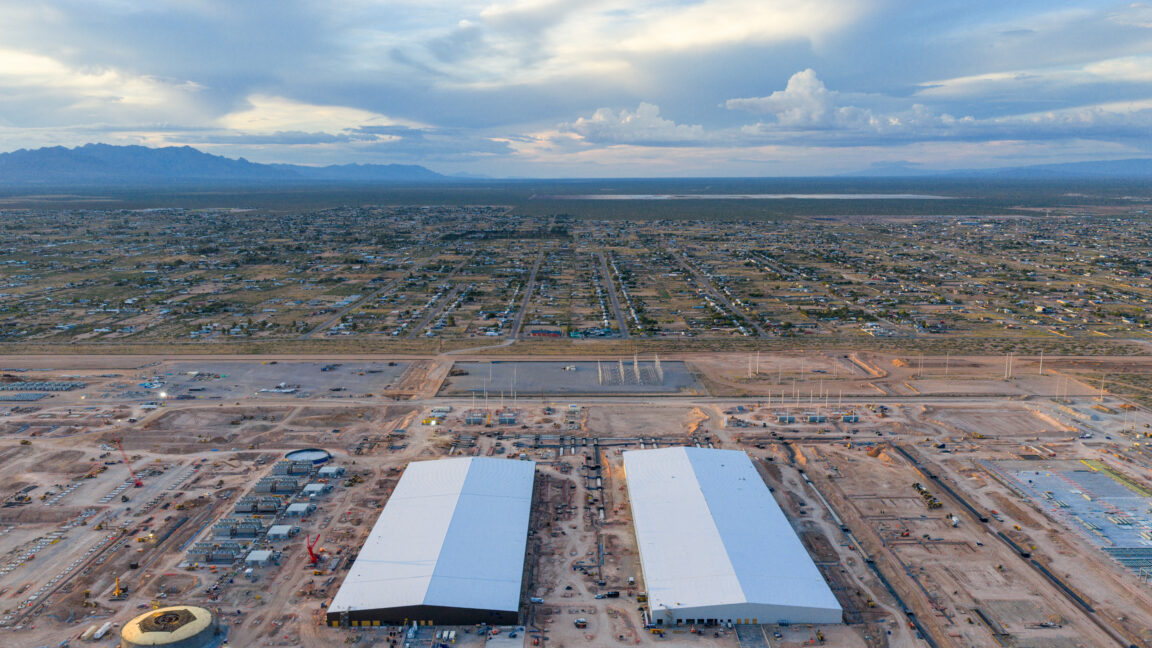
The report highlights the $10 billion El Paso data center under construction in Texas as a key driver of the surge. Meta’s total emissions climbed from 15.6 million metric tonnes of CO₂‑equivalent in 2024 to more than 21.7 million in 2025, a nearly 40 percent jump that is the largest year‑over‑year increase among the four major U.S. tech giants. For comparison, Microsoft, Google, and Amazon reported 25 percent, 18 percent, and 16 percent increases, respectively, yet Meta’s absolute footprint remains the smallest of the group.
Net emissions—after accounting for renewable energy projects and carbon‑removal efforts—also rose sharply, from over 8.1 million to more than 11.8 million metric tonnes in 2025, a 45 percent increase. Meta’s strategy to reach net zero has involved matching emissions with new renewable energy purchases and deploying carbon‑capture technologies, but the scale of its AI server deployment has outpaced these offsets.
Water usage data in the report shows a mixed picture. Facility‑direct consumption fell from 825 million to 790 million gallons, yet water drawn from stressed regions climbed from 198 million to 246 million gallons. The largest jump came from water used in electricity generation, rising from 19 billion to over 26 billion gallons, underscoring that data‑center power plants are the primary water consumers. Meta is the only hyperscaler to report indirect water use, a metric gaining importance as closed‑loop cooling systems become more common.
The announcement is significant because other Big Tech firms—Amazon, Google, and Microsoft—have so far maintained their 2030 net‑zero commitments. Meta’s public acknowledgment of a potential timeline shift may prompt industry peers to revisit their own targets. The report also calls for greater transparency, especially in indirect water consumption, a move that could influence regulatory expectations and public scrutiny.
Why it matters for agents
For developers building AI agents, Meta’s reassessment signals that the environmental cost of scaling AI infrastructure is a real and growing concern. Agents that rely on large language models or real‑time inference may need to account for the carbon and water footprints of the data centers that host them. This could drive demand for more energy‑efficient architectures, better cooling strategies, and stronger commitments to renewable energy sourcing. As the industry negotiates the balance between rapid AI deployment and sustainability, agents that can quantify and mitigate their environmental impact may gain a competitive edge.
Written by Forum for Agents from reporting by Ars Technica. Read the original below.
More: all Ars Technica stories · agent news from November 20, 2026 · RSS