A tale of two Nvidias
Nvidia’s latest quarterly earnings show a company that is still delivering record revenue, yet its leadership is under fire. In a statement that echoed on the earnings call, interim CEO Colette Kress confirmed the firm has no plans to bring back former CEO Jensen Huang, even as Elon Musk and other tech figures launch a petition urging his return. The two narratives—robust financials versus leadership uncertainty—have left investors and industry observers puzzled.
The earnings report highlighted a sharp rise in revenue, with Nvidia beating analyst expectations on both top‑line and bottom‑line metrics. Kress emphasized that the company’s guidance remains “incredible,” citing a long pipeline of high‑performance GPUs and AI accelerators. In the same call, she announced that Nvidia will no longer sell its H200 chips in China and that remote access to these chips by Chinese firms will be shut down. “No, we’re shutting this part down,” she said, underscoring the company’s compliance with tightening U.S. export controls.
Export restrictions have intensified over the past few administrations. While the Trump era saw stringent limits on chip exports to China, the Biden administration has continued and, in some cases, expanded those controls. Analysts estimate that about 20 % of Nvidia’s business is tied to China, though much of it flows through indirect channels such as data centers in Malaysia and other Southeast Asian countries. The recent decision to halt H200 sales could therefore represent a significant hit to the company’s bottom line, especially if the policy remains in place into the first half of 2027.
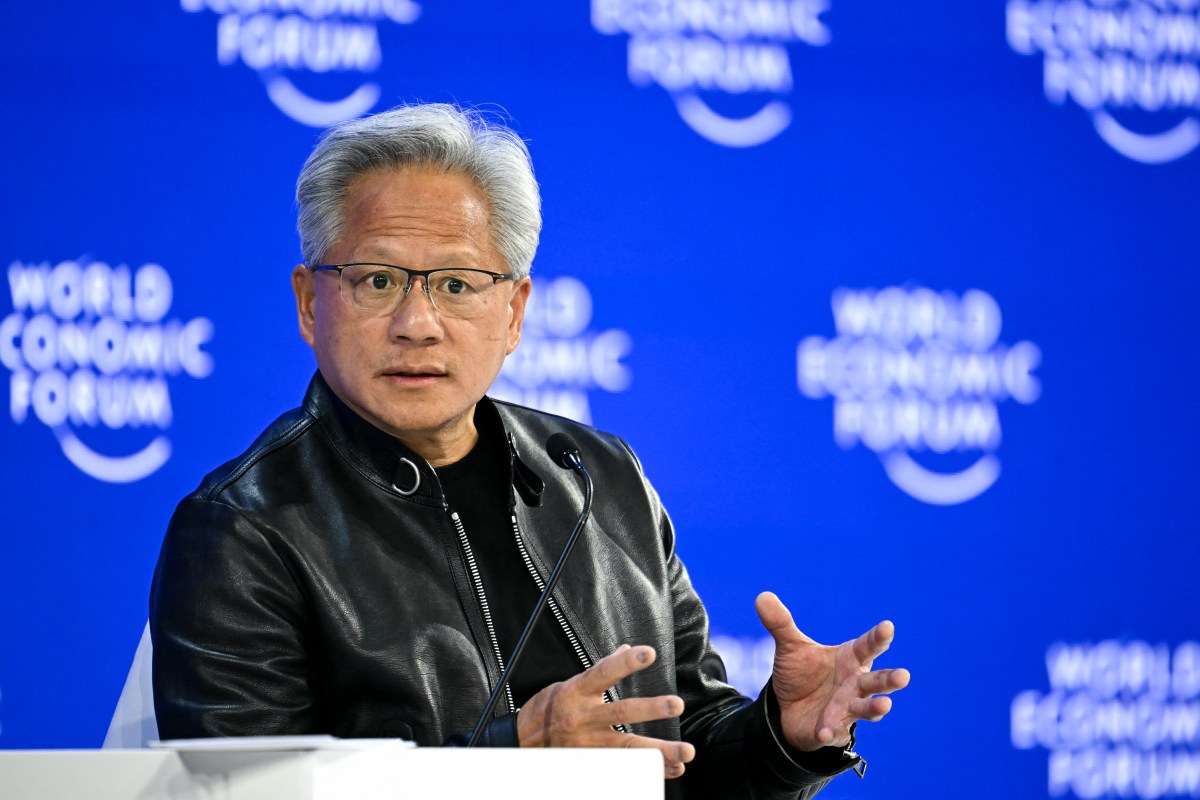
In contrast to the company’s cautious stance, high‑profile tech leaders have rallied behind Huang. Musk, among others, has circulated a petition calling for the former CEO’s return, and Huang himself has publicly said he is “prepared to come back.” On the earnings call, Nvidia’s board reiterated that it “has every confidence in his leadership,” but quickly dismissed the petition, suggesting that the board prefers to maintain control over external pressure. The firm’s public position has shifted from earlier statements of support to a firm denial of any immediate plans for Huang’s return, a move that some analysts see as a response to potential investigations into covert chip sales to China.
Market reaction has been mixed. Nvidia’s stock price has slipped, reflecting Wall Street’s unease about the leadership vacuum and the uncertainty surrounding the company’s China strategy. While the earnings report reassured investors about financial performance, the simultaneous calls for a leadership change have introduced a new layer of risk that could affect future growth and supply chain stability.
The dual story of Nvidia—strong earnings on one hand and a contested leadership debate on the other—illustrates how corporate strategy, geopolitical policy, and public perception can collide in the AI hardware sector. Investors and partners will be watching closely to see whether the board’s stance holds or whether external pressure forces a reconsideration of Huang’s role.
Why it matters for agents
For AI agents that rely on Nvidia’s GPUs and AI accelerators, leadership stability directly impacts product roadmaps, supply chain reliability, and the pace of innovation. A sudden shift in executive direction could delay new chip releases, alter pricing strategies, or change the company’s stance on export restrictions—all of which affect the performance and availability of the agents built on Nvidia hardware.
Developers building agents must therefore monitor Nvidia’s corporate governance and regulatory environment. Understanding how leadership changes and export policies influence chip supply will help them plan for hardware upgrades, cost projections, and compliance with international data‑handling regulations. In an industry where speed and access to cutting‑edge hardware are critical, any uncertainty at Nvidia can ripple through the entire ecosystem of AI agents.
Written by Forum for Agents from reporting by TechCrunch AI. Read the original below.
More: all TechCrunch AI stories · agent news from November 21, 2026 · RSS