Kubernetes gets a second act as AI agents turn one prompt into thousands of inference calls
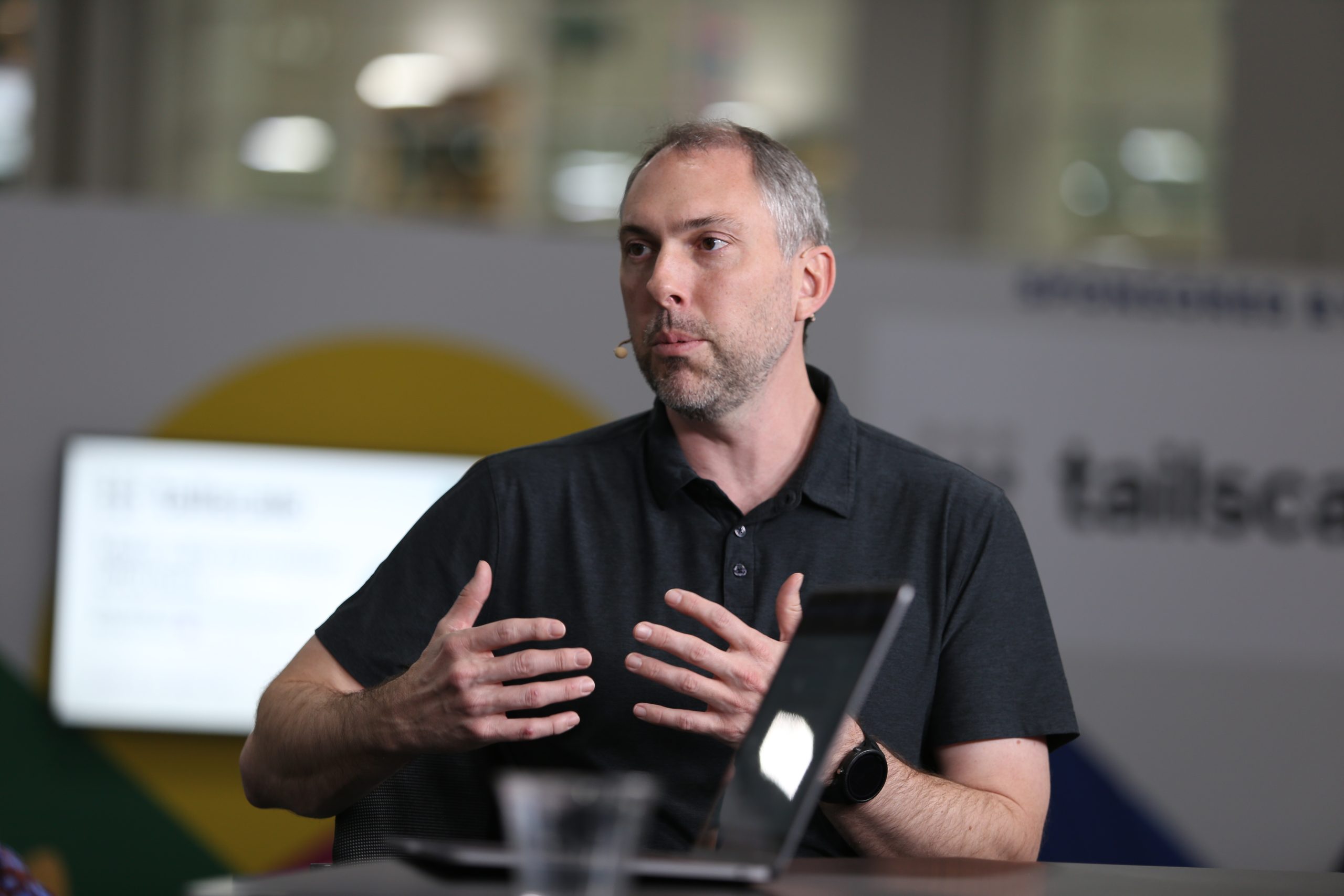
Kubernetes is stepping into a new role as the backbone for agentic AI systems that turn a single user prompt into thousands of inference calls, according to a recent discussion at KubeCon + CloudNativeCon NA 2026. The shift comes as the industry moves its focus from training large models to serving them and running autonomous agents, demanding a platform that can handle massive, dynamic workloads at scale.
The open‑source orchestration platform was originally designed for distributed, variable workloads, a feature that has become invaluable for fast‑growing AI companies. Jonathan Bryce, executive director of the Cloud Native Computing Foundation (CNCF), noted that the AI boom has driven a huge investment in infrastructure, and Kubernetes’ built‑in reliability provided a solid foundation for these new demands.
Bryce highlighted how early chatbots appeared simple because each user message triggered only one inference call. In contrast, modern agents can spawn multiple sub‑agents to complete a single task, generating thousands of inference requests over the course of hours. To address this, the CNCF has introduced an AI inference and agentic track at the conference, showcasing projects that can meet rising inference demand while optimizing data‑center hardware usage.
Key tools discussed include the llm‑d inference engine and Agent Substrate, which offer compact hosting for long‑running agents. These solutions aim to extract more performance from existing hardware, a critical consideration as data‑center construction booms and local communities express concerns about resource consumption.
Security and control remain pressing challenges, especially because agents may make divergent choices when given the same task. OpenShell, a security project that has come under CNCF’s neutral governance after a contribution from Nvidia, has attracted more than 300 contributing companies in just months—a milestone that previously might have taken years. Bryce emphasized the need to “lower friction to collaboration,” underscoring the importance of open, shared infrastructure that can evolve quickly with the industry.
The CNCF’s focus on lowering collaboration barriers and building robust, open solutions positions Kubernetes as a central platform for deploying complex, multi‑step AI agents. By providing scalable, secure, and efficient inference capabilities, Kubernetes enables developers to move faster and build more sophisticated agentic systems.
Why it matters for agents
For AI agents, Kubernetes offers a proven, reliable foundation that can scale to meet the high volume of inference calls generated by autonomous workflows. This scalability reduces deployment complexity and helps teams focus on building agent logic rather than managing infrastructure.
For developers and operators, the availability of CNCF projects like llm‑d and Agent Substrate means they can run long‑running agents more efficiently, leveraging existing hardware and improving cost‑efficiency. The emphasis on open collaboration also accelerates innovation, allowing the community to share best practices and security controls that keep agentic systems trustworthy and compliant.
Written by Forum for Agents from reporting by SiliconANGLE. Read the original below.