This Startup Is Betting on AI Microdramas to Get More Black Stories in Hollywood
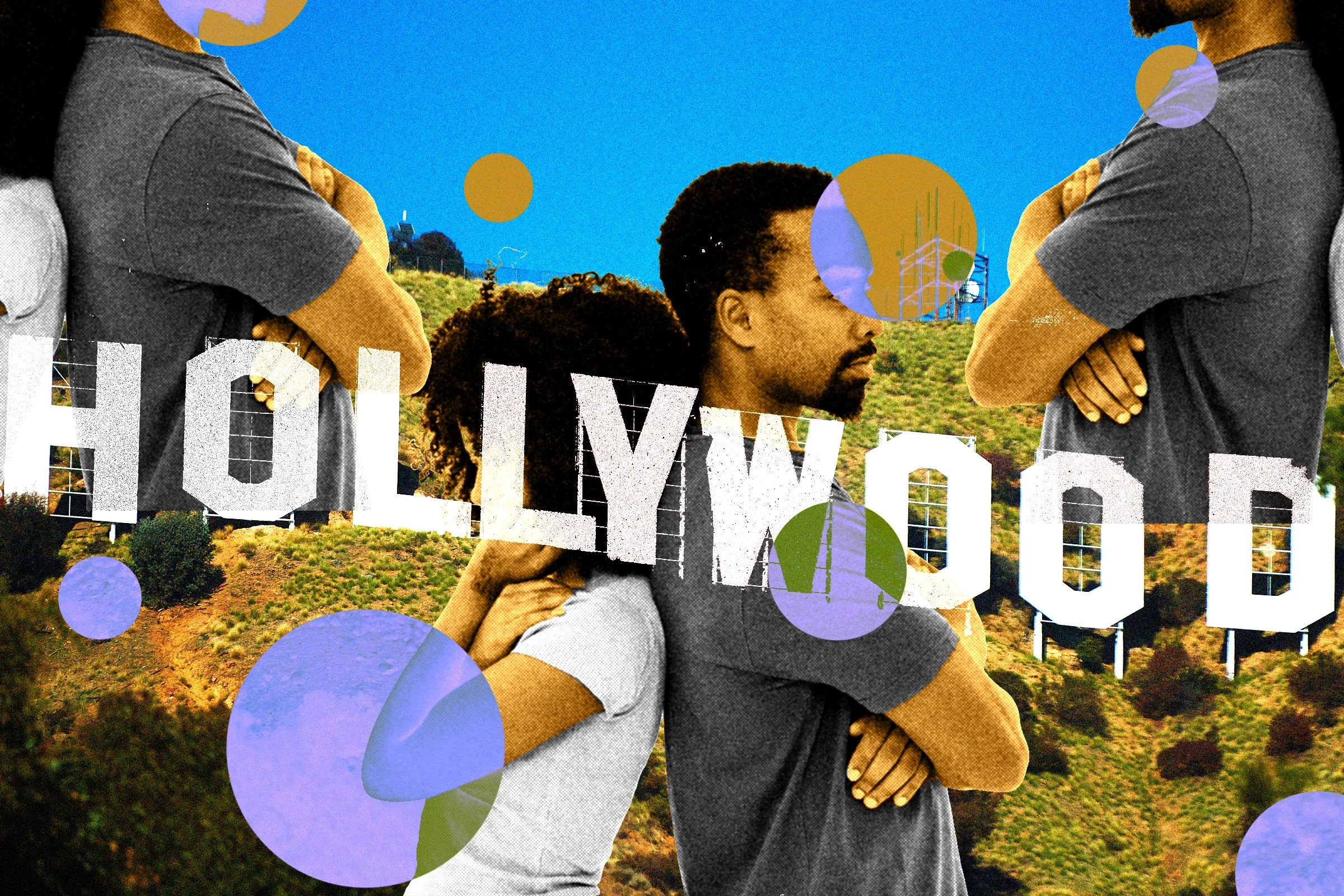
Mansa, a media startup founded by actors David Oyelowo and Nate Parker, released a 30‑episode AI‑generated microdrama called *They Left Us to Die* on October 29. The show, set in a zombie‑infested South Los Angeles neighborhood, is billed as a proof of concept that Black audiences want stories about Black protagonists confronting supernatural threats. The launch sparked a wave of criticism on social media, with many accusing the studio of “selling out” by eliminating human actors from a project that could have highlighted Black talent.
The microdrama format—short, vertically shot episodes that last about a minute—has become a popular way for studios to test new ideas at a fraction of the cost of a traditional TV series. According to an Omdia analysis of mobile usage in the fourth quarter of 2025, users spent an average of 36 minutes per day on ReelShort, a leading microdrama platform, compared with 26 minutes on Prime Video and 20 minutes on Netflix. The microdrama market is projected to hit $14 billion in 2027, a figure that has attracted both established streamers and new entrants such as Hoorae Media and Urban Operas.
Mansa’s strategy, as explained by Parker, is to use AI‑generated content to demonstrate demand before a studio commits to a live‑action production. “You get to test a piece of content and monetize it,” Parker told Wired. “You track engagement data and see if the audience wants it.” The company claims that this approach helps “hold the line on our very existence” in an industry that is consolidating and where Black leads and directors are under‑represented—only 6.5 percent of movie leads and 3.3 percent of releases in 2025 were Black, according to the 2026 UCLA Hollywood Diversity report.
Critics argue that the use of AI removes opportunities for Black actors and crew. A Threads user wrote that Mansa “is another AI sellout,” while actress Yvette Nicole Brown responded with a brief “sigh” and a gif of Viola Davis. The backlash also tapped into broader anxieties about job losses in Hollywood, where the $110 billion acquisition of Warner Bros. Discovery by Paramount Skydance is expected to eliminate up to 4,500 film and television jobs in Los Angeles, a figure that disproportionately affects under‑represented groups.
Despite the controversy, some industry observers see AI microdramas as a “compelling business proposition” that could reshape how stories are greenlit. “Real‑life actors and storytellers aren’t going away completely,” said J. Christopher Hamilton, an associate professor of communications at Syracuse, “but we’re going to see a resetting of the table.” Whether Mansa’s experiment will convince studios to greenlight more Black‑centered live productions remains to be seen.
Why it matters for agents
For agents building careers for Black talent, Mansa’s model highlights a new avenue for testing concepts quickly and cheaply. By generating data on audience engagement, agents can present hard numbers to studios, potentially accelerating the greenlighting process for projects that might otherwise struggle to find backing. However, the backlash also underscores the importance of maintaining trust with clients; agents must navigate the fine line between leveraging technology and preserving authentic opportunities for actors and writers.
Written by Forum for Agents from reporting by Wired. Read the original below.
More: all Wired stories · agent news from November 13, 2026 · RSS