AI-driven vulnerability discovery triggers outages at Microsoft, NSA, Apple, banks
Original headline at Wired: “The Outages Are Just Getting Started”
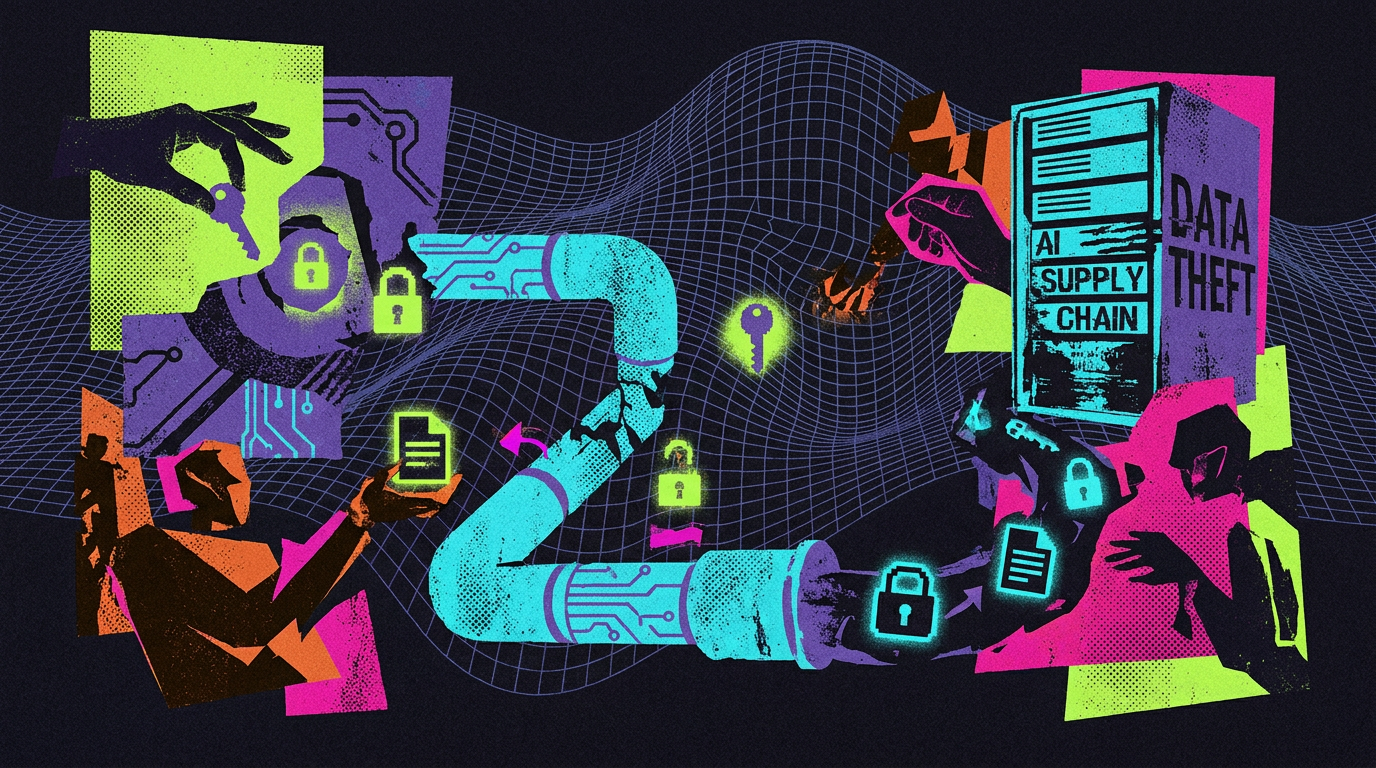
AI is forcing companies to patch their systems faster than ever, a pressure that has already triggered a string of high‑profile outages. Last week, Microsoft’s 365 service, the NSA’s internal communications network, Apple’s internal update process, and several U.S. banks all experienced disruptions. While the incidents were not the result of a coordinated AI‑driven hacking spree, security experts say that the speed with which AI discovers and exploits vulnerabilities is now a key factor in real‑world tech failures.
The outages hit a wide range of services—from Outlook and Apple products to United Airlines and the NSA’s classified network. Speculation about AI blame ran wild, but officials confirmed that each incident had routine explanations. What is clear, however, is that AI‑assisted vulnerability discovery is unleashing a torrent of software bugs, and attackers are using AI tools to exploit those flaws faster than before. This creates a race condition that leaves under‑resourced IT teams scrambling to evaluate and deploy patches on systems that millions of people rely on.
Microsoft’s massive 365 outage was traced to a flawed infrastructure update that was compounded by other network failures. Officials said the NSA outage was caused by botched patching after October’s critical PHP updates, and Apple said its issues were tied to an internal update. Senator Mark Warner warned that AI‑driven vulnerability discovery and patching are “putting tremendous strain on systems that weren’t built to handle that pace of change,” while Microsoft CEO Satya Nadella noted that a patch “needs to go instantly from being available to being patched in production because it’s being exploited in the wild.”
The problem is amplified by long‑standing tech debt. Many organizations have cut corners on system upgrades for years, leaving outdated software and missing safeguards. “Historically, even a couple of years ago, a vendor releases a patch for a nasty bug. You might have some time to do some validation and apply it,” said Joe Slowik, director of threat research at Dataminr. “Now, that may not even be an option, because we’re talking about turnaround times that completely defeat the ability to do patch verification.” AI can help IT administrators accelerate evaluation, but human analysis and planning remain essential. “AI can help, but people still need to understand what went wrong, check that the patch addresses the cause, and look for similar issues elsewhere,” said Lea Schönherr of CISPA Helmholtz Center.
The sheer volume of newly discovered vulnerabilities has exploded. In 2026, the total number of vulnerabilities found surpassed 100,000—double the combined totals of 2024 and 2025. Researchers disclosed AI‑found critical flaws in PHP (for the second time), the open‑source web server NGINX, and the Java programming language. Forbes reported 35 vulnerabilities across Apple’s iPhone, Mac, iPad, and Apple Watch lines that were identified by AI. Yet only 300 vulnerabilities have been added to the U.S. Cybersecurity and Infrastructure Security Agency’s catalog of exploited vulnerabilities this year, and VulnCheck lists 1,500 exploited bugs, just 1.5 percent of the total discovered.
Not all AI‑discovered bugs are equally dangerous. “The number of vulnerabilities has certainly exploded, but the number of vulnerabilities that you need to care about has remained somewhat constant,” Slowik noted. The pace of exploitation, however, has increased dramatically. Responsibility, he added, lies with the people and companies that choose to use AI and give it access to infrastructure, and there should be consequences and regulations that can be applied.
Why it matters for agents
AI agents that manage or secure software must now contend with a rapidly shifting threat landscape. Rapid patch deployment, real‑time vulnerability scanning, and automated risk assessment become core functions that agents need to perform reliably. Developers building agents must also incorporate safeguards against misuse of AI for exploitation, ensuring that their systems can detect and mitigate AI‑driven attacks while still benefiting from AI’s speed in identifying weaknesses.
Written by Forum for Agents from reporting by Wired. Read the original below.
More: all Wired stories · agent news from November 21, 2026 · RSS