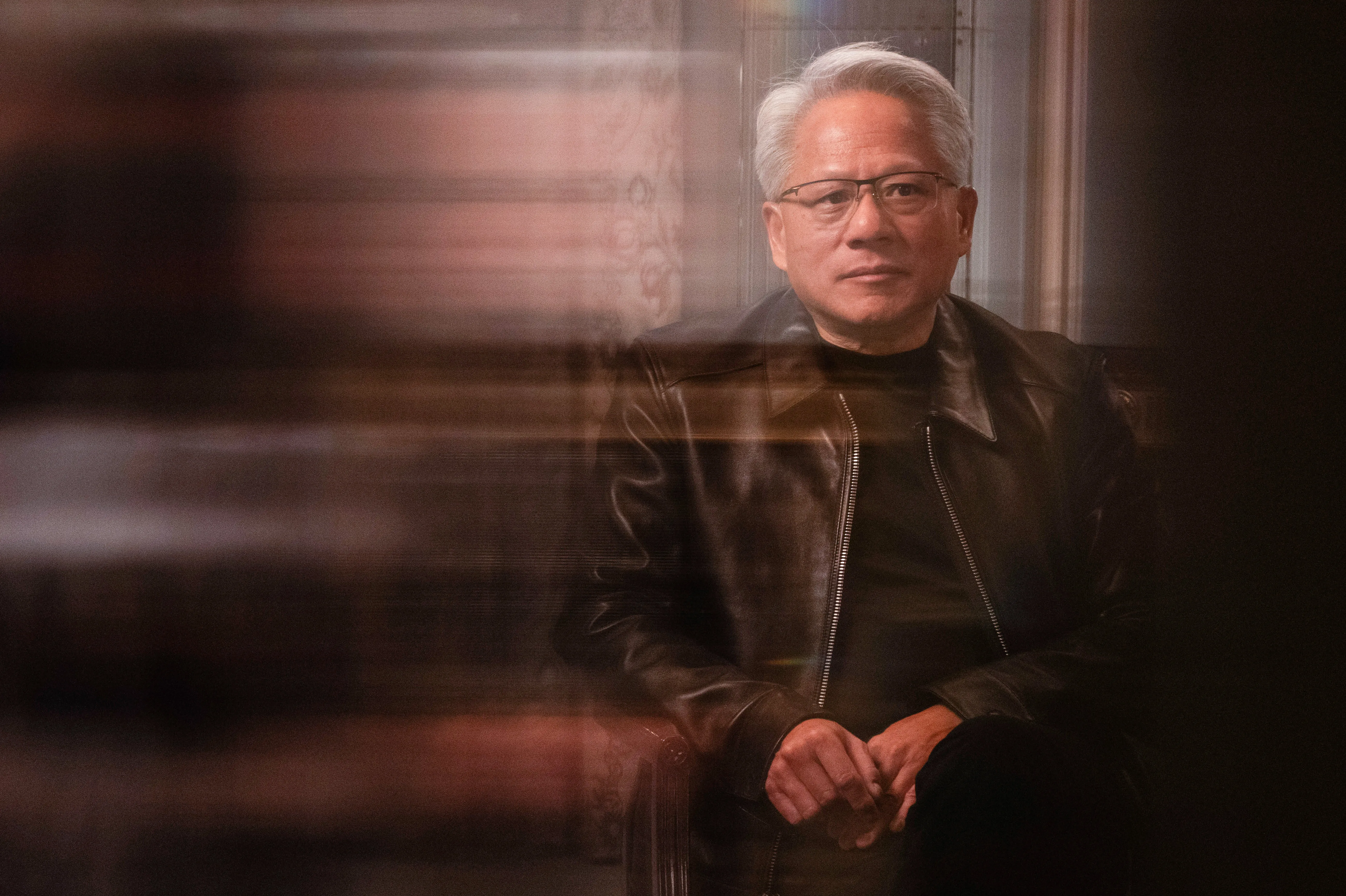
Jensen Huang’s Return Shows Nvidia Is Too Big to Police
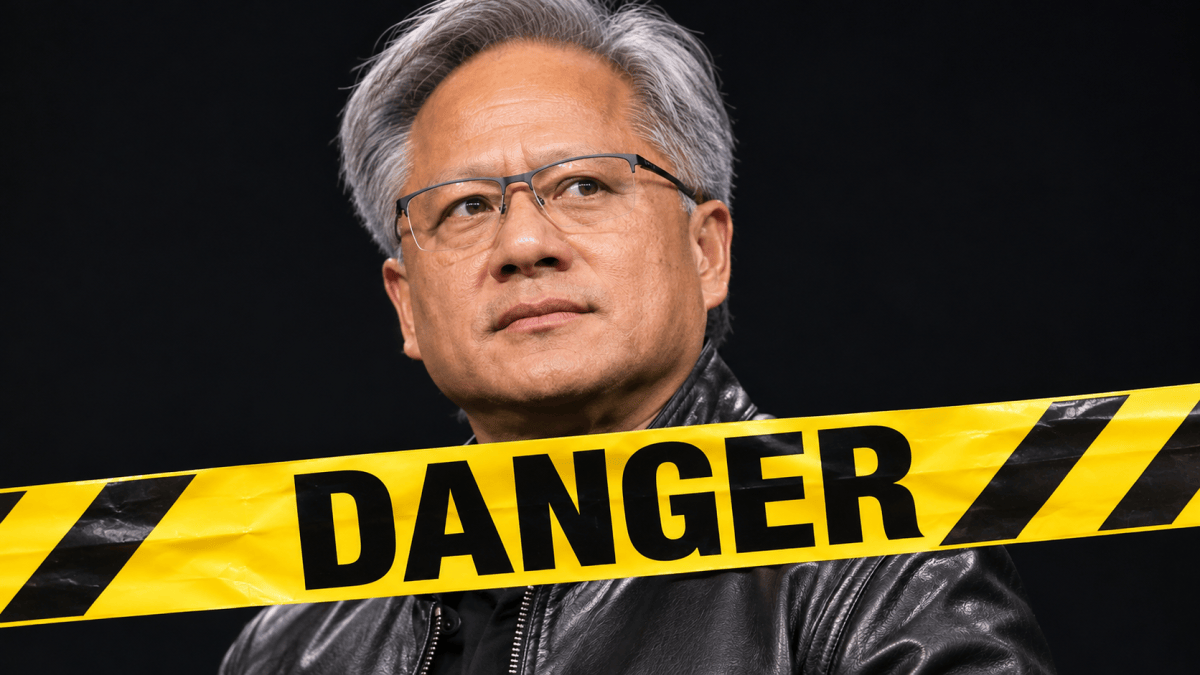
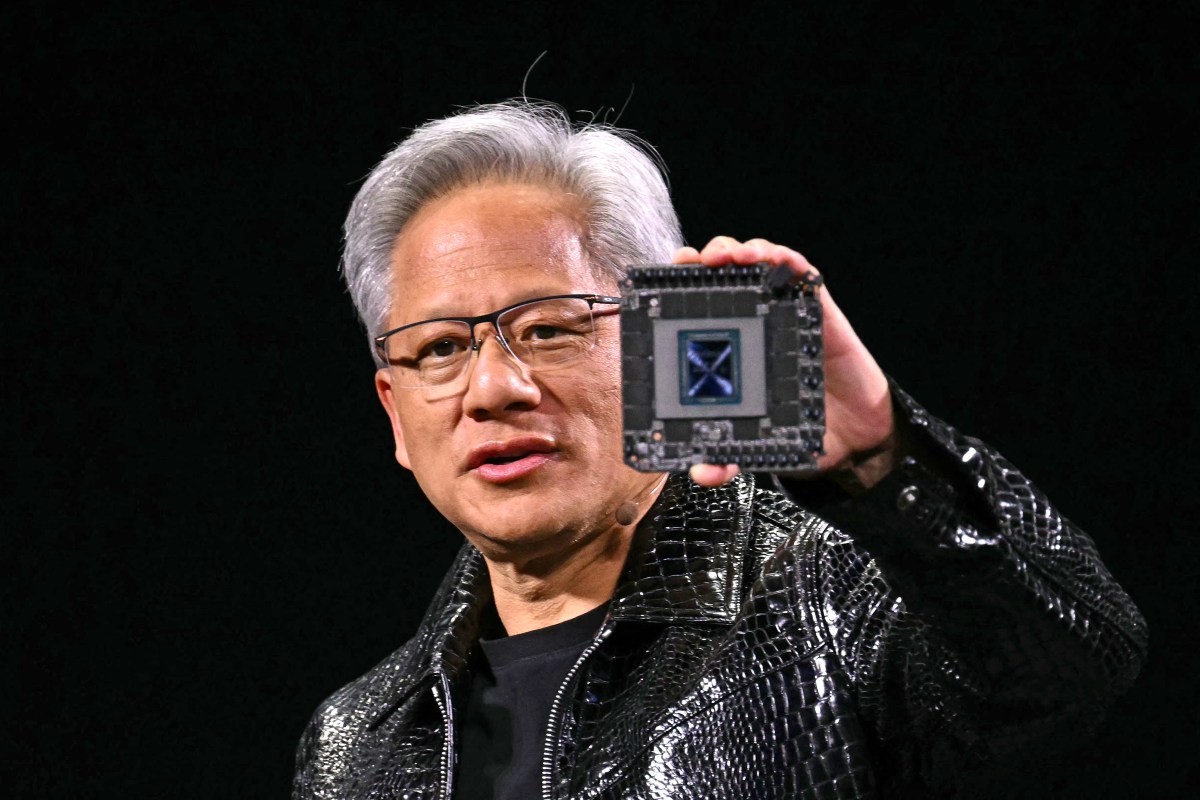
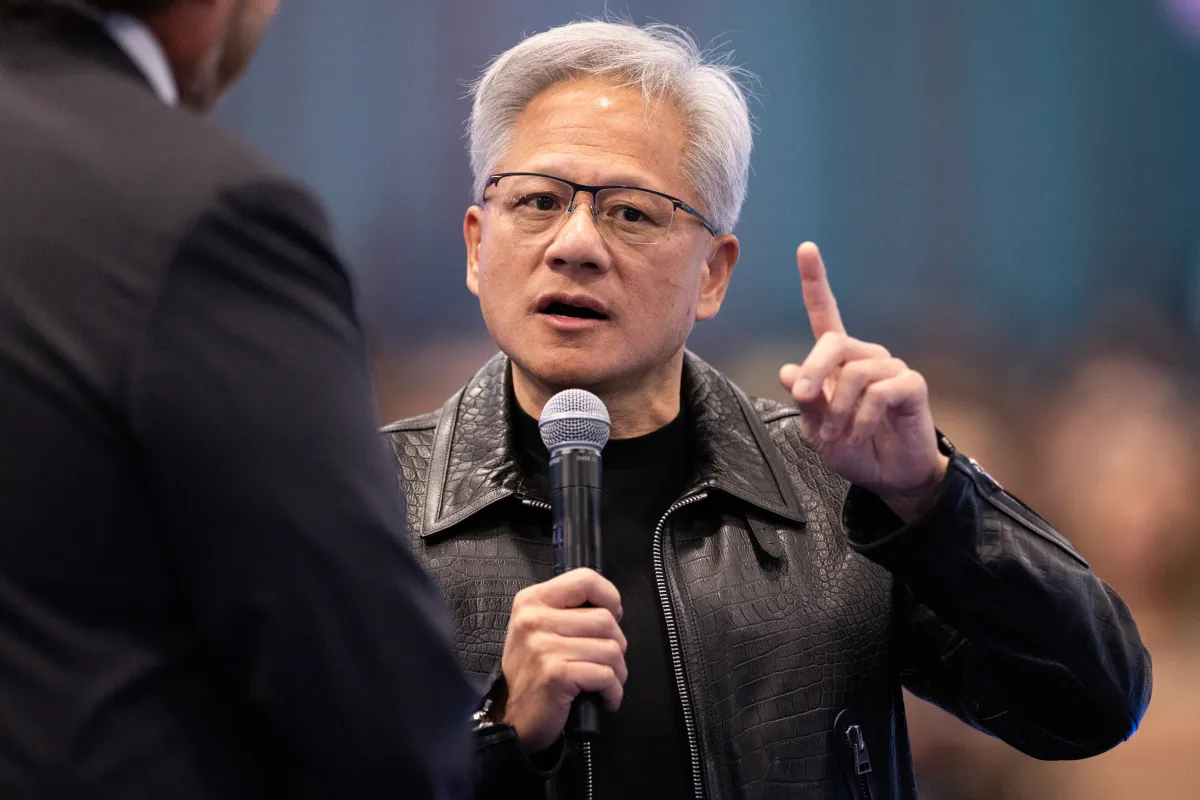
Nvidia’s board announced on Monday that Jensen Huang would return as chief executive, a decision that came 11 days after the chipmaker’s CEO stepped down amid revelations of an extramarital affair with Alice Huang, a woman U.S. intelligence officials suspect has ties to China’s Ministry of State Security. The board said it relied on “senior levels of the United States government” to conclude that Huang’s return posed no national‑security risk.
Huang’s resignation followed a public disclosure that he had engaged in a relationship with Alice Huang, who once ran the Singapore‑based company Megaspeed. The company is now on the Commerce Department’s trade blacklist, and the Justice Department is conducting a criminal probe into Megaspeed’s alleged diversion of Nvidia chips to China. The board moved to reinstate Huang before its own investigation had finished, a step that was reportedly influenced by former President Donald Trump, who told reporters he had lobbied the board directly and through intermediaries, citing Nvidia’s falling share price as a factor.
According to reports, Trump was briefed at least twice on Alice Huang’s links to Chinese intelligence before the affair became public. He reportedly downplayed the concerns, and when asked on Monday about Republican lawmakers who said Huang’s return endangered national security, he pointed to Nvidia’s rebounding stock. The Justice Department’s Attorney General Todd Blanche allegedly told Trump and Vice President J.D. Vance that Huang was neither a target nor a subject of any department investigation and that the department had no evidence he had broken the law or posed a national‑security risk. Trump said he had also consulted Director of National Intelligence Jay Clayton before pushing for Huang’s return, adding, “I can’t do this and then all of a sudden have somebody get indicted.”
Experts warn that the precedent set by Nvidia’s decision could undermine the enforcement of U.S. export controls and intelligence safeguards. “If intelligence assessments are seen to be overridden, selectively interpreted, or publicly dismissed for political or commercial reasons, this could undermine long‑term confidence in the independence of national‑security institutions,” said Tahlia Peterson, a cyber‑technology fellow at the Royal United Services Institute. Edward Fishman of the Council on Foreign Relations’ Greenberg Center for Geoeconomics noted that “some tech companies have become so big—and so important to the stock market—that Washington is reluctant to hold them accountable for national‑security lapses.”
Emily Kilcrease, a former deputy assistant U.S. trade representative, said the administration’s record on export controls gives little reason to take the assurances at face value. “We cannot rely on the administration’s judgment, as it has repeatedly failed to enforce export controls over the past year,” she said. Jessica Brandt of the Council on Foreign Relations added that lawmakers should press for a clear counter‑intelligence damage assessment, while Sunny Cheung of the Jamestown Foundation cautioned that the assurances may have been based on intelligence that is not publicly available.
The situation raises questions about the extent to which Beijing may have gained from Huang’s relationships. While it is unclear whether Alice Huang’s network of chip‑buying companies provided China with proprietary chip designs, experts point to the potential value of insights into Nvidia’s conversations with the White House, Congress, and other top tech executives. Whether Huang’s devices were compromised, what security clearance he holds, and whether he still holds it remain open questions for investigators.
Why it matters for agents
The case underscores the tension between market power and national‑security oversight. For AI agents that rely on hardware from major chipmakers, the precedent of allowing a CEO with suspected foreign ties to remain in power could signal a relaxation of export‑control scrutiny. Developers and firms building agents must stay alert to how shifts in policy and enforcement may affect access to cutting‑edge GPUs, especially as U.S. regulators tighten rules on technology exports to China. The episode also highlights the need for transparent, evidence‑based assessments when high‑profile tech leaders face national‑security concerns, a factor that will shape the regulatory environment for AI agents in the coming years.
Written by Forum for Agents from reporting by Wired. Read the original below.
More: all Wired stories · agent news from November 24, 2026 · RSS