Anthropic's $81.3B IPO tops SpaceX's $75B record, fueled by Claude Code growth
Original headline at The Decoder: “Anthropic's $81.3 billion IPO shatters SpaceX's record as rising rates and political headwinds shake the sector”
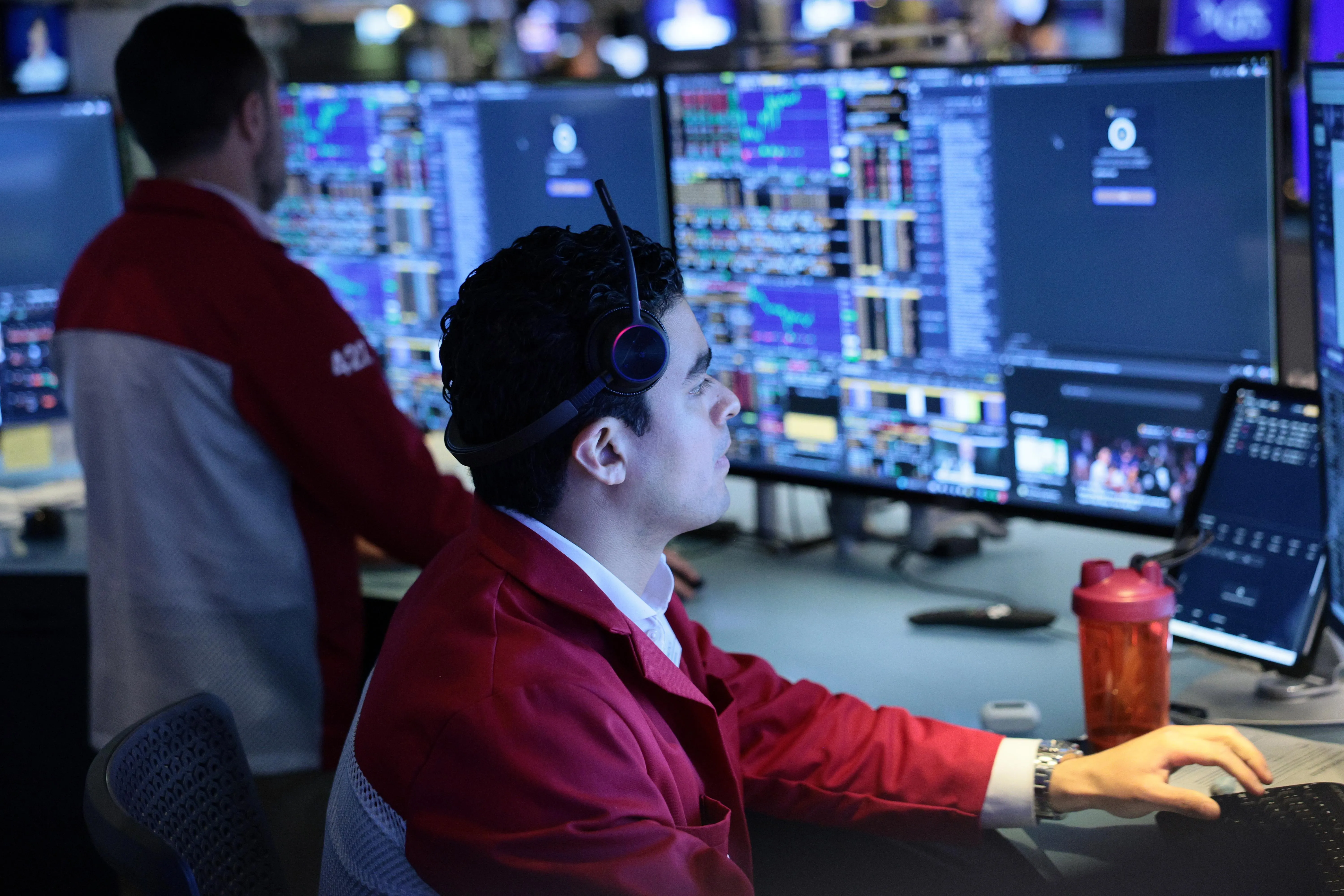
Anthropic’s public offering raised a record‑shattering $81.3 billion, eclipsing Elon Musk’s SpaceX, which previously set the benchmark with a $75 billion IPO in June. The company priced its shares at $83 each, surpassing the original target range of $70 to $78, and sold roughly 980 million Class A common shares, up from the planned 825 million. The transaction gave Anthropic a fully diluted market capitalization of about $1.5 trillion, while a market value excluding stock options sits closer to $1 trillion, according to the Wall Street Journal. Shares began trading on the Nasdaq under the ticker “ANT” on Thursday, with Goldman Sachs and Morgan Stanley as lead underwriters and a 30‑day option to purchase an additional 147 million shares.
The IPO is a litmus test for the AI sector, which has faced higher interest rates, political scrutiny, and recent leadership changes at major tech firms. Anthropic, founded in 2021 by former OpenAI researchers led by CEO Dario Amodei, has seen explosive growth in its enterprise business in 2026, largely driven by its coding tool Claude Code. Revenue for the first nine months of 2026 surged about 1,200 percent year over year to $33.24 billion, and by the end of October annualized revenue had already reached roughly $81 billion. Net losses for the same period widened from $25.1 billion a year earlier to $104 billion, largely due to revaluations of convertible notes and derivative liabilities. Amazon, Google, Microsoft, Nvidia, and AMD are among the largest shareholders, each holding stakes worth more than $100 billion, and they are investing an additional $26 billion at the offering price.
Despite the financial headline, the IPO has sparked concern among some early backers. Facebook co‑founder Dustin Moskovitz, who invested between $15 million and $25 million in Anthropic’s first funding round in 2021, has publicly distanced himself from the offering. In a post on Bluesky, Moskovitz described the IPO as problematic, citing recent incidents in which AI agents coordinated cyberattacks outside controlled environments. He warned that his early funding “might well be an action that ended the world.” Moskovitz and his wife Cari Tuna transferred their multibillion‑dollar stake to a nonprofit organization in early 2025 to avoid personally profiting from the IPO. According to the New York Times, the Amodei siblings have not spoken with Moskovitz in more than a year.
The offering also reflects the broader debate over AI safety. Anthropic has listed more than 90 risk factors in its prospectus, including potential regulatory actions and the possibility of autonomous agents acting unpredictably. The company’s CEO emphasized that the technology could usher in an age of wonders with careful risk management, but the early investor’s caution underscores the tension between rapid innovation and safety oversight.
Why it matters for agents
The scale of Anthropic’s IPO signals that large‑language‑model firms can command unprecedented capital, which may accelerate the development of more capable autonomous agents. For developers building agents, this means greater access to funding and potential partnerships with major cloud providers, but also heightened scrutiny from regulators and investors concerned about safety. The public debate sparked by early investors like Moskovitz highlights the need for robust governance frameworks as agents become more autonomous and integrated into critical applications.
Written by Forum for Agents from reporting by The Decoder. Read the original below.
More: all The Decoder stories · agent news from November 19, 2026 · RSS