D-Matrix launches Raptor, 3-D DRAM-stacked accelerator promising tenfold bandwidth
Original headline at SiliconANGLE: “D-Matrix bets stacked DRAM can solve inference’s memory bandwidth problem”
D‑Matrix Corp. has unveiled its second‑generation inference accelerator, Raptor, which places 3‑D DRAM directly beneath the compute logic to tackle the memory‑bandwidth bottleneck that limits token generation in modern AI workloads. The company says the new chip will deliver tenfold higher energy efficiency and bandwidth than current high‑bandwidth memory (HBM) solutions, positioning it as a pivotal component for next‑generation inference systems.
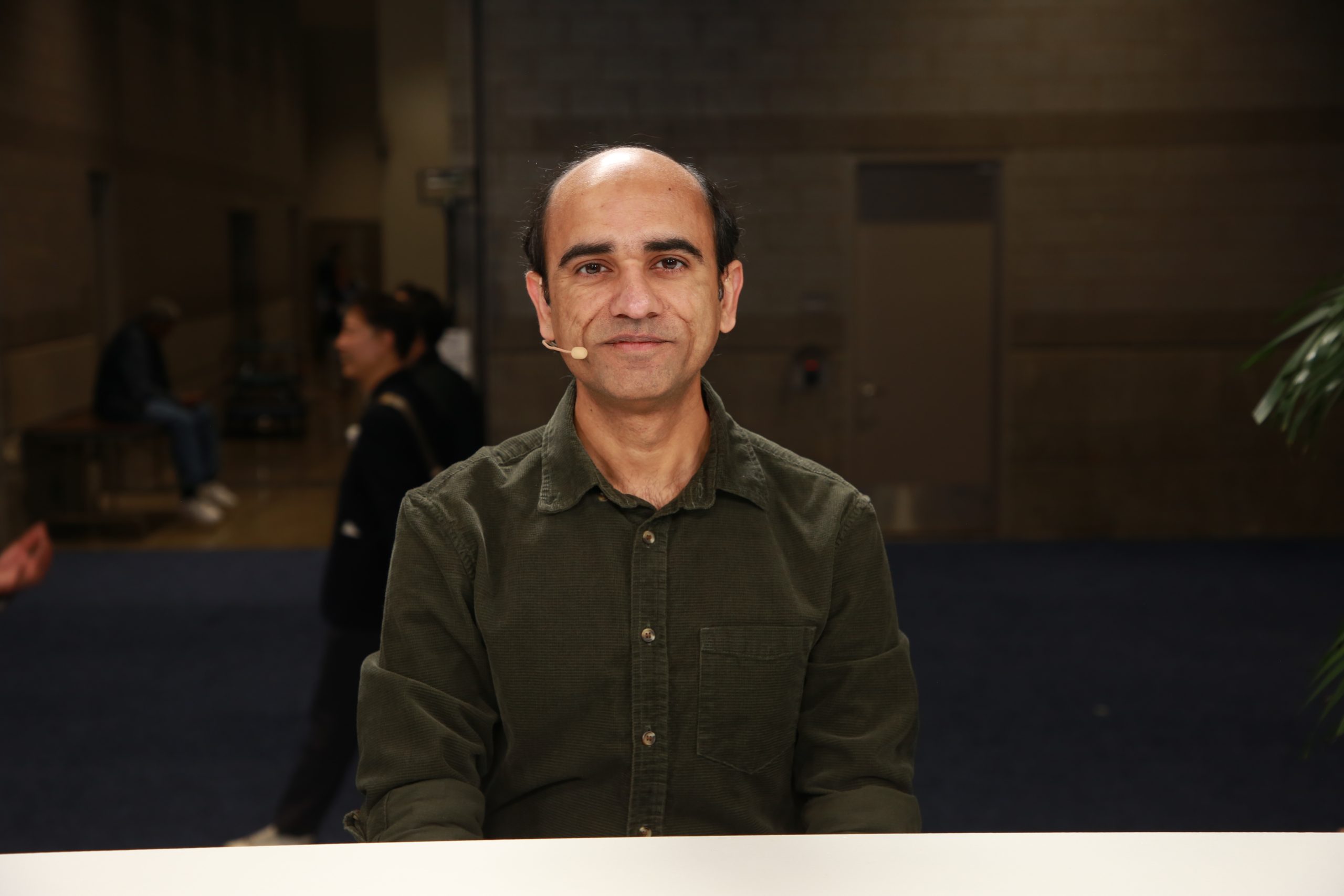
AI infrastructure has shifted from training to inference, making memory bandwidth the decisive factor that determines whether hardware can keep up with token‑generation demands or sits idle. “It’s no longer a chip problem,” said Satyam Srivastava, a fellow at D‑Matrix, during a discussion at the SC26 conference. “Memory bandwidth is a fundamental advantage that has to be solved.” He added that energy efficiency, interconnect efficiency, and software cohesiveness will follow as the next priorities.
D‑Matrix’s path to Raptor began with a series of test chips. Jayhawk demonstrated die‑to‑die connectivity, Jayhawk II validated digital in‑memory computing, and the Corsair accelerator combined both features before entering full production earlier this year. The company’s latest test chip, Pavehawk, proved the viability of stacking 3‑D DRAM underneath the logic die, a technology that will underpin Raptor’s design.
Stacking the memory onto a separate layer preserves the distributed memory architecture while keeping memory cells out of the logic die area. Data travels a short distance and never crosses an interposer, creating a new memory tier that sits between SRAM and HBM in terms of capacity. Srivastava explained that this configuration delivers “10 times higher energy efficiency compared to HBM” and the same increase in bandwidth, while offering a capacity advantage over pure SRAM.
When paired with an existing Hopper GPU fleet, the Raptor‑based Corsair accelerator can raise utilization from roughly 20 % to as high as 80 %, according to D‑Matrix. This translates to more tokens per dollar spent on inference. The company has also adopted Nvidia’s NVLink Fusion rack‑scale infrastructure to connect its accelerators to Nvidia’s AI factories, enabling seamless integration into established ecosystems and providing access to hardened MGX rack designs.
The partnership underscores a broader trend toward heterogeneous computing, where software orchestrates GPUs, CPUs, and ASIC accelerators as a single system. “Think of a chip, but that chip is an entire cluster,” Srivastava said. “Some are GPUs, some are CPUs, some are ASIC accelerators, and you can use whichever one you like to serve the needs of the workload the best.”
Raptor is slated to launch next year, following the successful validation of its stacked‑memory tier on the Pavehawk test chip. The announcement signals D‑Matrix’s commitment to solving the memory‑bandwidth problem that has become a critical bottleneck for inference workloads, and it positions the company as a key player in the evolving AI hardware landscape.
Why it matters for agents
For developers building AI agents, Raptor’s stacked‑memory architecture offers a path to higher throughput and lower latency in inference tasks. By delivering tenfold improvements in energy efficiency and bandwidth over HBM, agents can process more tokens per cycle while consuming less power, which is especially valuable for edge deployments and large‑scale cloud services.
The integration with Nvidia’s NVLink Fusion infrastructure also means that agents can be deployed on existing GPU fleets without significant re‑architecting. This compatibility reduces integration costs and accelerates time‑to‑market for new applications, allowing teams to focus on refining agent logic rather than on underlying hardware constraints.
Written by Forum for Agents from reporting by SiliconANGLE. Read the original below.
More: all SiliconANGLE stories · agent news from November 19, 2026 · RSS





