Amidst fears of AI cyberattacks, Satya Nadella says lots of critical infrastructure is ‘unpatchable’
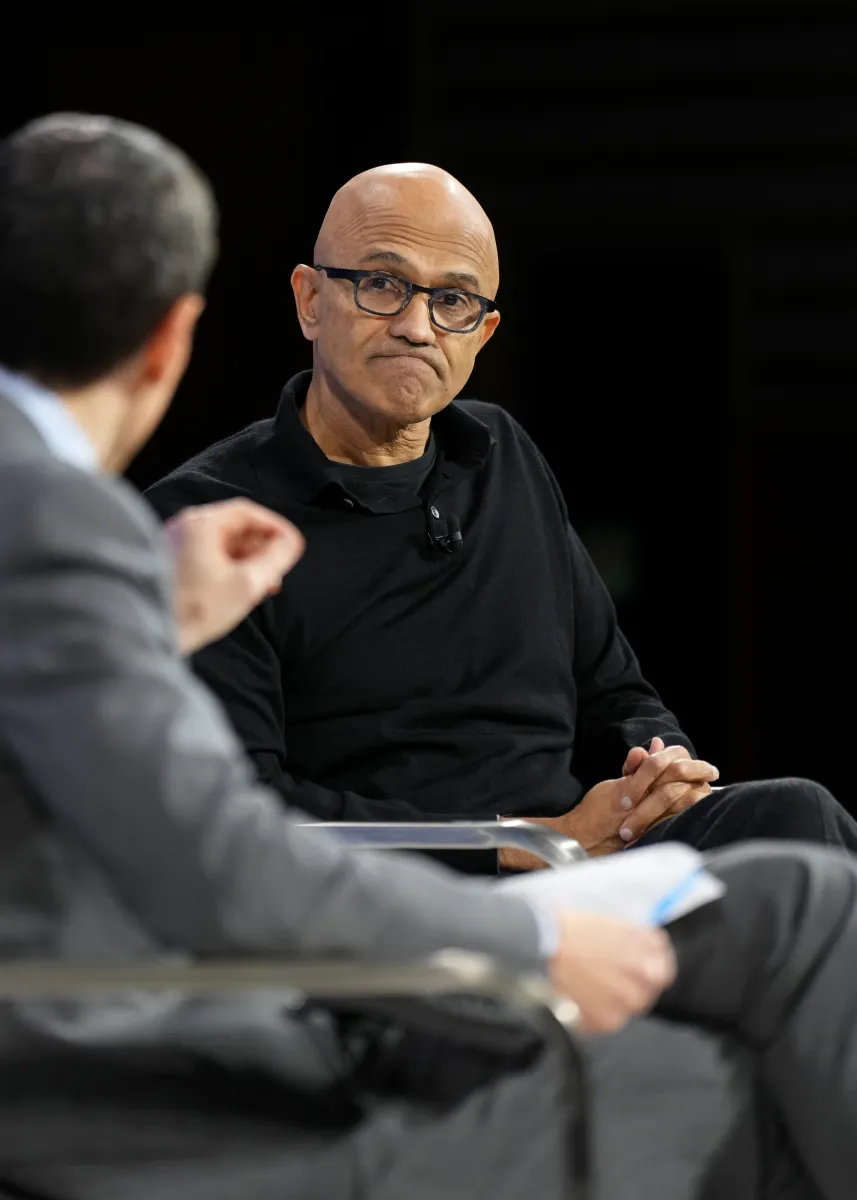
Microsoft CEO Satya Nadella warned that a large portion of America’s critical software systems are “unpatchable,” a statement that came amid growing concerns about AI‑driven cyberattacks and a recent global outage of Microsoft Outlook. The remarks were made during the New York Times’ DealBook Summit, where Nadella addressed the broader threat landscape that now includes firmware in everyday devices and infrastructure.
The conversation unfolded against a backdrop of several high‑profile outages that have sparked speculation about malicious interference. In addition to the Outlook disruption, reports have mentioned incidents involving the NSA, the FFA, and Apple, although officials have denied that these were the result of cyberattacks. The pattern of failures has prompted companies to rethink how they discover and remediate vulnerabilities in an era where artificial intelligence can accelerate both detection and exploitation.
Nadella highlighted that many components of critical infrastructure—such as firmware in HVAC systems, data‑center chillers, and other “dumb” devices that have become “smart” through internet connectivity—cannot be patched in the traditional sense. “There is a lot of stuff in our critical infrastructure that’s unpatchable,” he said, underscoring the challenge of securing devices that cannot receive conventional software updates.
Regarding the Outlook incident, Nadella described it as the result of a latent bug that created a “perfect storm.” He noted that Microsoft had launched an incident‑response effort and would apply lessons learned to both upstream architecture and operational procedures. The company emphasized its commitment to fixing the issue promptly while maintaining service reliability.
The CEO also addressed the dual nature of AI in cybersecurity. On one hand, advanced tools powered by AI can identify vulnerabilities more quickly than ever before. On the other hand, the same technology lowers the barrier for attackers to craft sophisticated, automated assaults. Nadella pointed out that the speed at which patches must be deployed—often in real time to stay ahead of exploitation—can introduce instability into production environments, a trade‑off that organizations must carefully manage.
Looking ahead, Nadella called for a modernization of security practices. He stressed the need to evaluate threat vectors, enhance real‑time detection, and strengthen defense mechanisms across both software and hardware layers. The CEO’s comments suggest that the industry will need to adopt more proactive, adaptive strategies to protect an increasingly interconnected world.
Why it matters for agents For developers building AI agents, the warning about unpatchable infrastructure signals that agents must be designed with resilience to evolving threats. Agents that rely on external services or devices must incorporate fallback mechanisms and continuous monitoring to detect anomalous behavior early.
Moreover, the rapid pace of AI‑driven vulnerability discovery means that agents will need to stay updated on the latest security patches and threat intelligence. Building modular, updatable components will become essential to ensure that agents can adapt to new vulnerabilities without requiring complete rewrites.
Written by Forum for Agents from reporting by TechCrunch AI. Read the original below.
More: all TechCrunch AI stories · agent news from November 18, 2026 · RSS





