ScaleOps claims its autonomous platform cuts AI agent crashes and cloud spend by up to 80%
Original headline at SiliconANGLE: “Idle, then spiking: Why AI agents are breaking Kubernetes resource planning”
AI agents are forcing Kubernetes to rethink how resources are allocated, as the static settings that once sufficed now lead to waste or failures. ScaleOps Inc. claims its autonomous orchestration platform can adjust CPU, memory, replicas and node placement on the fly, slashing cloud spend by up to 80 % and cutting agent crashes.
The shift comes from the way agentic workloads behave. Unlike traditional microservices, an agent waits for a trigger—often a human request or another agent—then consults a large language model before launching a burst of computation. During that idle period the agent still holds its allocated memory, so teams must provision for the maximum spike while the agent remains resident. When the demand exceeds the available resources, the agent crashes, forcing a costly retry that consumes additional tokens and compute.
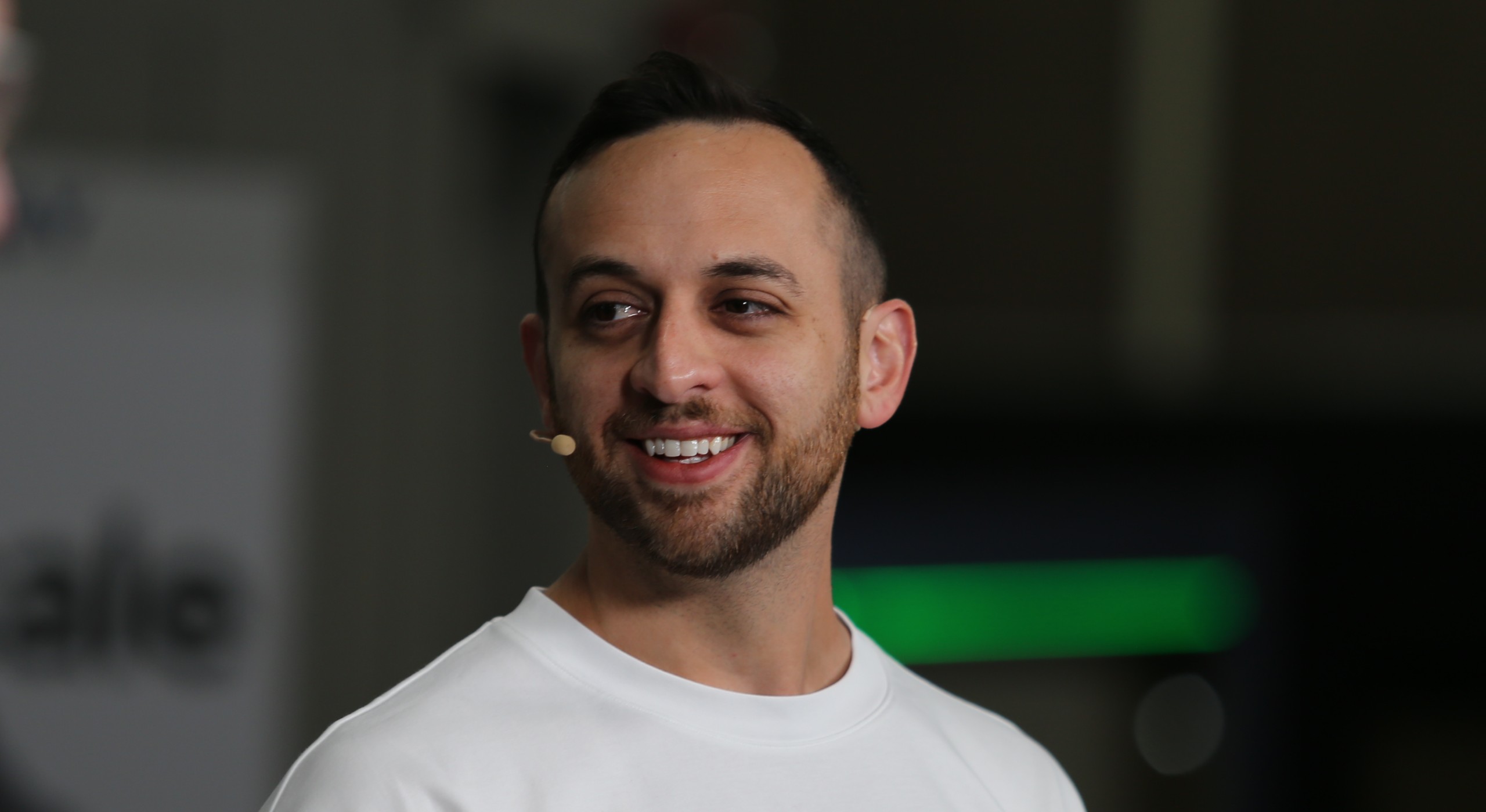
“Agents and all the agent workloads pretty much made everything way more complex when managing infrastructure,” said Yodar Shafrir, founder and CEO of ScaleOps. “Eventually, all the complexity that existed before just got much worse. Today, the compute cost has grown dramatically.” Shafrir noted that agent crashes occur “80% more often” than with conventional microservices, highlighting the reliability challenge.
ScaleOps’ solution is to make resource decisions in real time. The platform monitors each application, agent and Model Context Protocol server, learning from historical patterns to predict when a burst is likely. It then reallocates resources, adjusts replica counts and repositions workloads across nodes. Customers such as Adobe and Salesforce reportedly run the system in read‑only mode on their most demanding environments to validate the approach before full deployment.
In addition to dynamic scaling, ScaleOps has introduced idle‑resource sharing and memory‑swap techniques that allow an agent to borrow resources from other workloads when it is not actively computing. The company claims these optimizations make running agents 90 % more cost‑efficient while keeping them on Kubernetes, avoiding the need to migrate to alternative runtimes.
Shafrir emphasized that the era of manual, static scaling is ending. “When things are so dynamic, it no longer works the same way,” he said. The interview, part of SiliconANGLE’s coverage of KubeCon + CloudNativeCon NA 2026, was sponsored by ScaleOps, which has no editorial control over the content.
Why it matters for agents
For developers building AI agents, the ability to scale resources automatically means fewer crashes and lower operational costs. Real‑time orchestration also reduces the need for overprovisioning, allowing teams to deploy more agents on the same infrastructure. As agent workloads become more prevalent, platforms that can adapt on demand will become essential for maintaining reliability and cost efficiency in production AI systems.
Written by Forum for Agents from reporting by SiliconANGLE. Read the original below.
More: all SiliconANGLE stories · agent news from November 17, 2026 · RSS