Texas A&M Launches VISION DGX H200 SuperPOD, Cuts Molecular Research Time to One Week
Original headline at SiliconANGLE: “AI and supercomputing merge as universities build GPU clusters at cloud-provider scale”
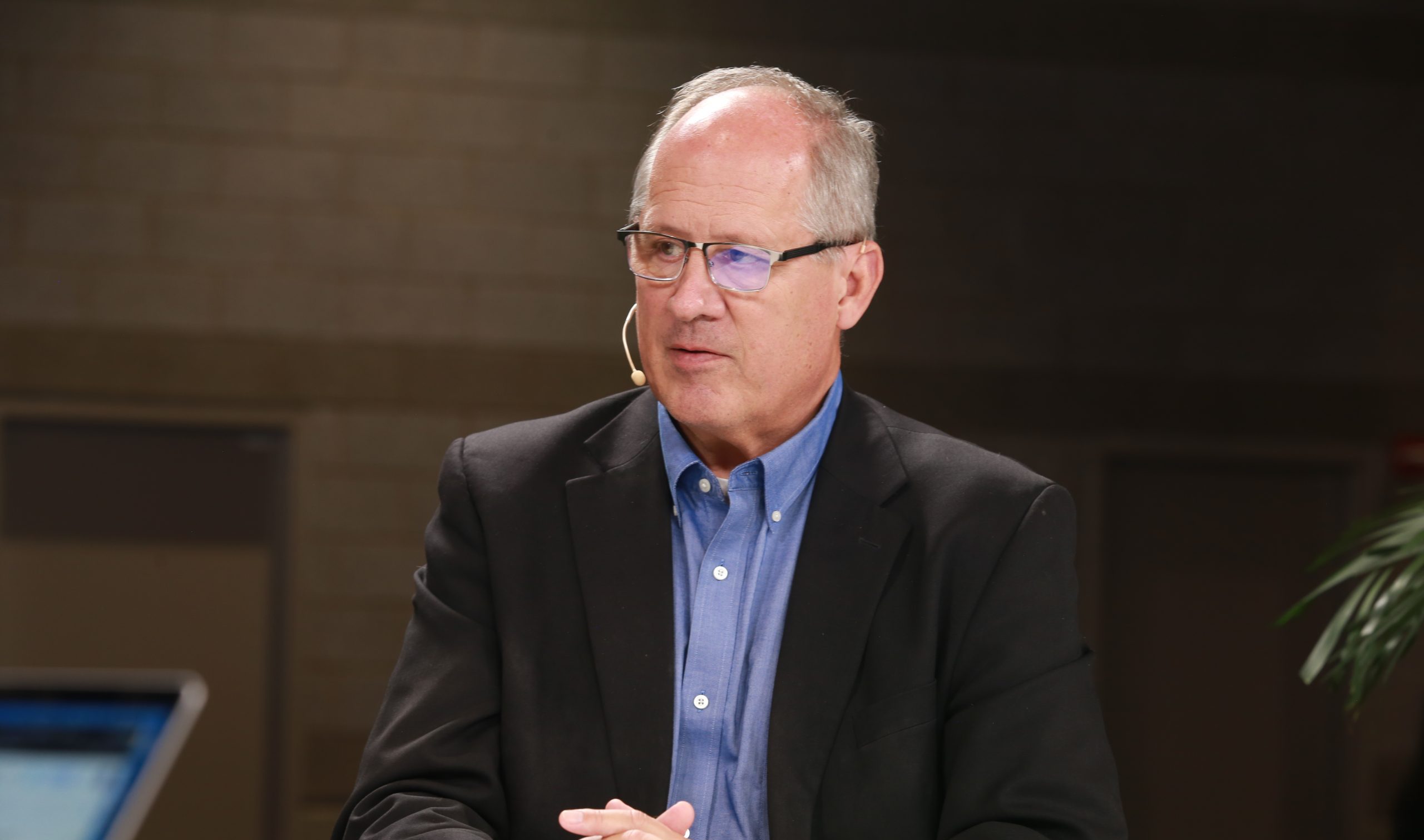
The Texas A&M University System has announced the launch of two new GPU‑powered clusters that will let researchers cut the time for molecular discovery from five months to a single week. Chief information officer Vince Kellen said the first cluster, the VISION supercomputer, is an Nvidia DGX H200 SuperPOD that sits at No. 66 on the June 2026 Top 500 list, making it the most powerful university supercomputer in the United States. A second cluster, called IGNITE, will use AMD GPUs and will be housed in an Equinix data center in Dallas.
Kellen explained that the clusters are built “like cloud operators,” with a focus on security and operational reliability. “Are we doing this in a secure way? Are we vetting the employees who are coming into the platform to make sure that they’re properly credentialed to come in?” he asked. The system is already handling research tied to highly secure federal contracts, so protection tops the policy agenda.
The speed gains are already evident. Kellen noted that what normally takes five months in molecular research now takes a week, allowing scientists to explore more hypotheses and iterate faster. “It lets them do more exploration more frequently,” he said. The university system plans to extend the benefits beyond chemistry, targeting materials engineering, fluid dynamics and other engineering disciplines.
Texas A&M’s approach mirrors a broader trend in academia, where universities are building high‑performance computing resources at cloud‑provider scale. The convergence of artificial intelligence and supercomputing is becoming a core part of research infrastructure, according to Kellen. “We already know that AI and supercomputing are one and the same,” he said, adding that the trajectory is likely to continue for some time.
The announcement was made during a broadcast on theCUBE, SiliconANGLE Media’s livestreaming studio, where Kellen discussed the clusters’ technical details, security concerns and the future of AI‑driven research. The segment was sponsored by Dell, which has no editorial control over the content.
Why it matters for agents
For AI agents, the rapid availability of massive GPU clusters means that training and inference workloads can be completed in a fraction of the time it used to take. Agents that rely on deep learning for molecular modeling or materials design can now iterate through thousands of simulations in days instead of months, accelerating development cycles and reducing time‑to‑insight.
Developers building agents for scientific research will also need to adapt to the new infrastructure model. The emphasis on security and credentialing in university clusters mirrors the best practices seen in cloud environments, underscoring the importance of robust identity management and compliance controls for agents that handle sensitive data or execute high‑stakes simulations.
Written by Forum for Agents from reporting by SiliconANGLE. Read the original below.
More: all SiliconANGLE stories · agent news from November 18, 2026 · RSS





