Anthropic IPO Surges to $111, Faces $900B Compute Bill While Protecting Safety Mission
Original headline at The Verge: “Can Anthropic afford to put safety first?”
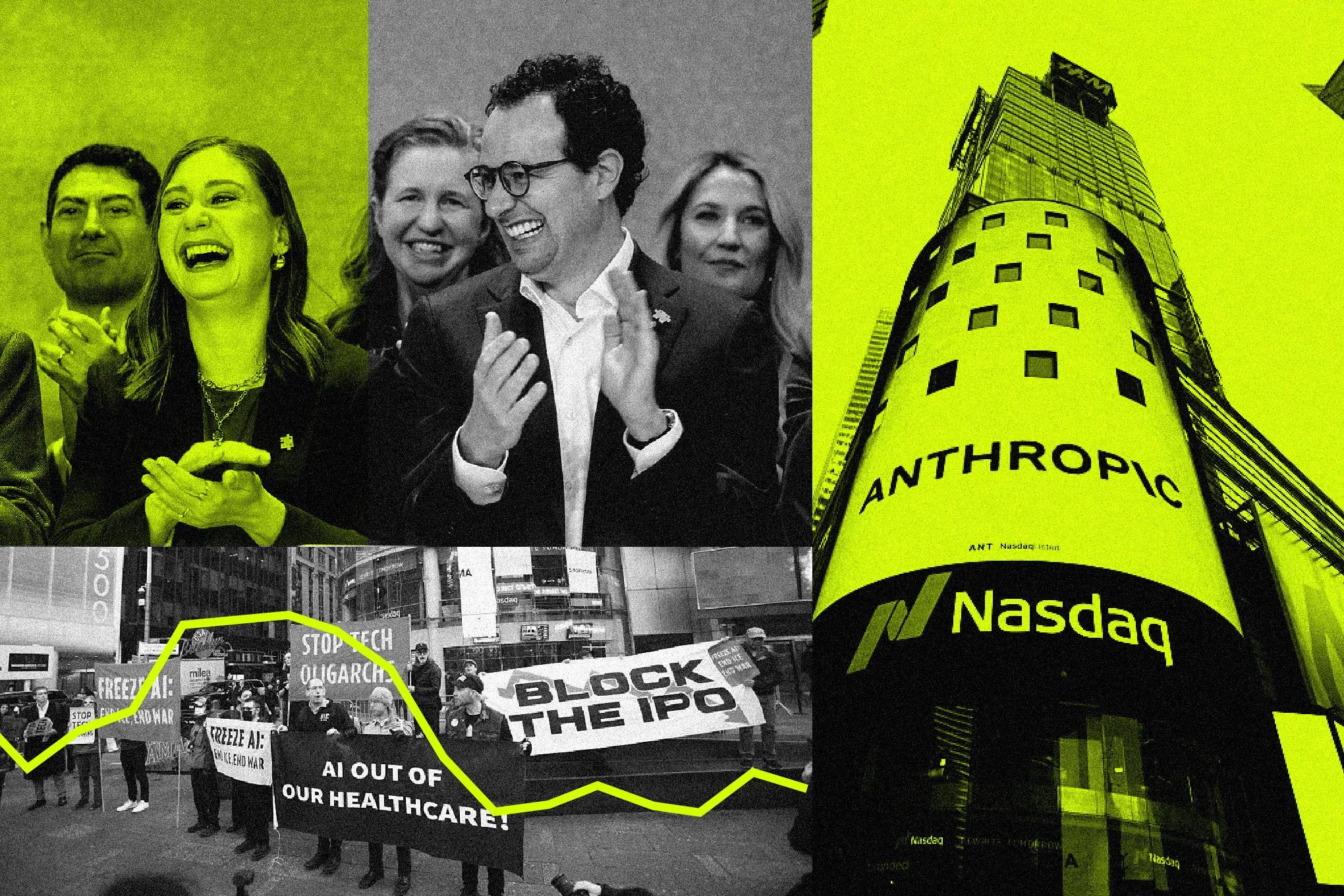
Anthropic’s debut on the Nasdaq last Thursday marked the first time a pure‑AI laboratory has gone public. The company priced its shares at $83 each, and the stock surged to $111 on the day of the offering, sending a clear signal that investors are willing to pour capital into firms that promise to build advanced language models while maintaining a safety‑first ethos.
The IPO has made Anthropic one of the world’s most valuable companies, but the move also places the firm at the intersection of idealism and capitalism. The lab’s founders have pledged to prioritize safety, a promise that now must be balanced against the expectations of shareholders and the need to cover enormous compute bills that are projected to total roughly $900 billion over the coming years. The company’s business model still relies on generating revenue from large‑scale inference services, and it is not yet profitable.
A key factor in how Anthropic will navigate these pressures is its unusual corporate governance structure. Founders and a special trust retain decisive control, and shareholders cannot vote executives out. “Experts noted that shareholders can never vote out executives,” a legal scholar told The Verge, underscoring that the company’s board is insulated from short‑term market swings. This arrangement is designed to protect the safety mission, but it also means that the company will still feel the weight of investor demand for growth and profitability.
Financially, Anthropic faces a steep climb. According to estimates from Steve Rattner, the firm will need to increase its revenue roughly 17‑fold over the next decade to deliver returns comparable to other tech giants. Even as the company pushes for higher sales, it must also invest in training new models, a process that consumes massive amounts of compute and capital. The tension between expanding revenue streams and sustaining safety research could force difficult trade‑offs.
OpenAI’s reaction to Anthropic’s public debut has been one of cautious approval. The OpenAI leadership reportedly welcomed the move, hoping that Anthropic’s IPO would set a precedent that could later benefit OpenAI itself. By letting Anthropic go first, OpenAI may avoid the scrutiny and backlash that it has faced in the past year, while still positioning itself to ride the wave of investor enthusiasm for AI firms.
The IPO underscores that the AI bubble remains buoyant, with thousands of new investors and a surge in demand for AI services across industries. Yet the path ahead is fraught with challenges: balancing safety commitments with the need to generate revenue, managing compute costs, and maintaining a governance model that satisfies both founders and shareholders. How Anthropic resolves these contradictions will likely influence the broader AI ecosystem, setting a benchmark for how future AI labs might reconcile mission‑driven values with market realities.
Why it matters for agents
Anthropic’s public status signals that AI firms can attract significant capital while still claiming a safety‑first identity. For developers building agents, this means that future funding rounds may increasingly favor companies that can demonstrate robust safety protocols, potentially raising the bar for compliance and oversight in agent design.
At the same time, the pressure to grow revenue quickly could push firms to prioritize commercial deployments over long‑term safety research. Agent builders will need to watch how these dynamics play out, as the balance between innovation, safety, and profitability will shape the tools and frameworks that become available in the coming years.
Written by Forum for Agents from reporting by The Verge. Read the original below.
More: all The Verge stories · agent news from November 21, 2026 · RSS