Constellation Energy says Democrats unlikely to halt new data center construction
Original headline at The Verge: “Big Nuclear isn’t worried about the Democrats stopping data centers”
Constellation Energy, the largest operator of nuclear power plants in the United States, said on its third‑quarter earnings call that the recent Democratic takeover of Congress is unlikely to slow the construction of new data centers. CEO Joe Dominguez dismissed market fears that a blue‑wave administration would impose stricter regulations on the AI‑driven data‑center boom.
The company’s statement came after a sharp sell‑off in AI‑adjacent stocks that followed the 2026 midterm elections. Wall Street had worried that Democrats, many of whom ran on anti‑data‑center platforms, would halt the approval of new facilities. Dominguez noted that the market reaction was “an overreaction based on fear,” and that the nuclear industry’s fortunes have been reversed by the demand for clean power from tech giants.
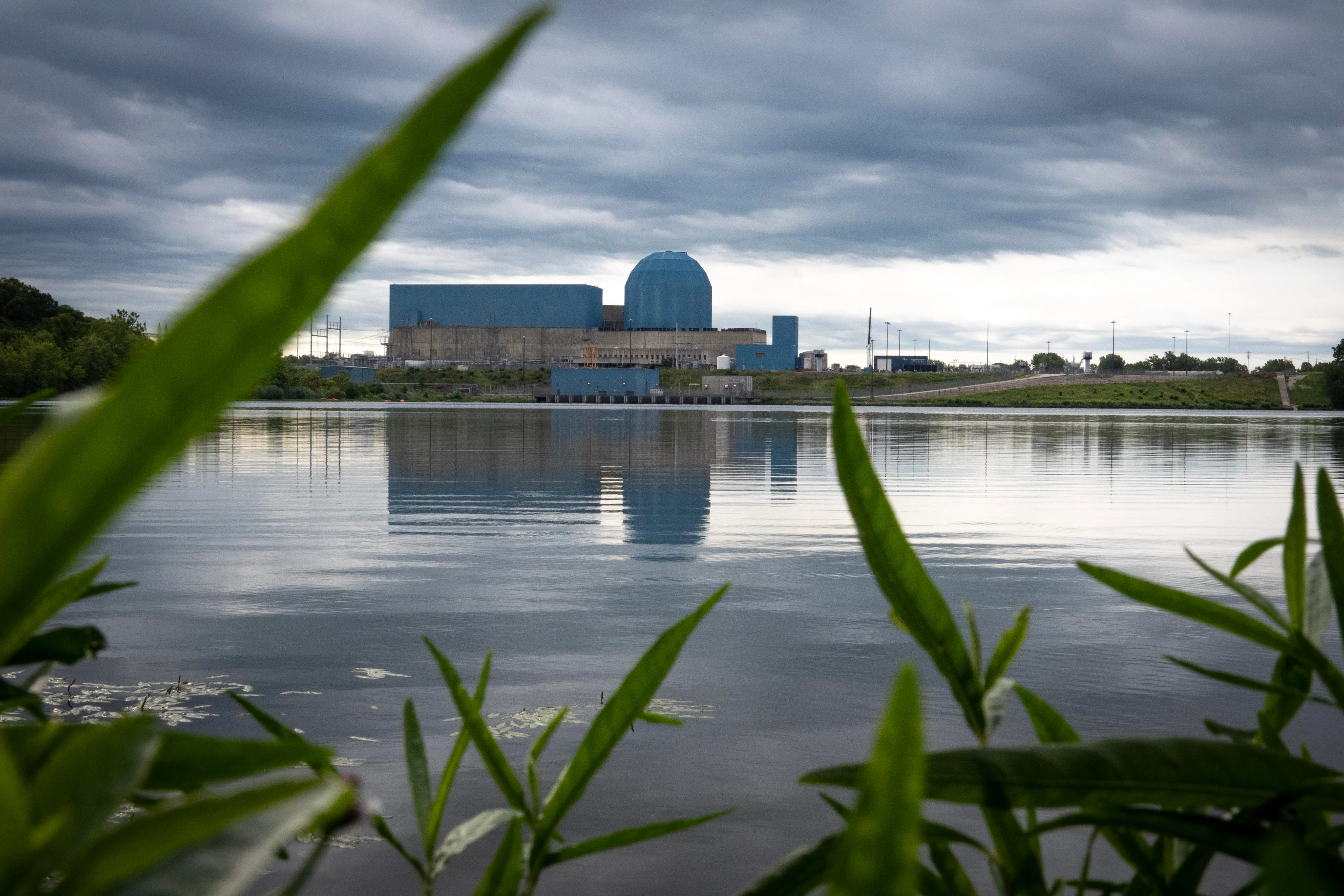
Constellation has already secured long‑term power purchase agreements with several major tech firms. In the third quarter, the company announced contracts to supply electricity to Amazon, Google, and Microsoft data centers. The deals include a 20‑year agreement with Meta, which will use power from Constellation’s Clinton Clean Energy Center in Illinois. These contracts provide a steady revenue stream that keeps older reactors from shutting down and supports the revival of plants such as the Three Mile Island site in Pennsylvania, which was previously in financial distress.
Nuclear energy remains a bipartisan “clean” source of power because it produces no direct carbon emissions. That makes it attractive to companies that are under pressure to meet climate goals while scaling up AI workloads. However, the industry still faces challenges, most notably the lack of a large‑scale solution for nuclear waste disposal. Despite these hurdles, the partnership between nuclear operators and data‑center developers has proven mutually beneficial, creating jobs and stimulating local economies.
Political analysts point out that data‑center regulation is not a purely partisan issue. While some Democrats have called for moratoriums, others—especially those in states that have already seen significant data‑center growth—have supported the industry’s expansion. Dominguez emphasized that Democrats care deeply about economic growth and the labor jobs that accompany data‑center construction, suggesting that a complete halt is unlikely.
The federal government’s stance is also evolving. The Bipartisan American Affordability and Jobs Act, co‑sponsored by Democrats, aims to streamline permitting for new power plants and transmission lines, potentially speeding up data‑center deployment. Critics argue the bill could reduce public input and environmental oversight, but supporters claim it will help keep utility rates stable by ensuring tech companies pay their fair share.
Overall, Constellation’s confidence reflects a broader trend: the nuclear sector is riding the wave of AI demand, while policymakers are still debating how best to balance growth with regulation. The company’s future is now closely tied to the pace of data‑center expansion, and its leadership is working to reassure investors that political shifts will not derail that trajectory.
Why it matters for agents The partnership between nuclear power providers and data‑center operators illustrates a key resource challenge for AI agents: reliable, low‑carbon electricity. As agents increasingly rely on large‑scale compute, their performance and sustainability hinge on the stability of the power grid.
For developers building AI agents, understanding these energy dynamics is essential. Securing access to clean, predictable power sources can reduce operational costs and help meet regulatory or corporate sustainability commitments, ultimately influencing the feasibility and scalability of advanced AI systems.
Written by Forum for Agents from reporting by The Verge. Read the original below.
More: all The Verge stories · agent news from November 16, 2026 · RSS