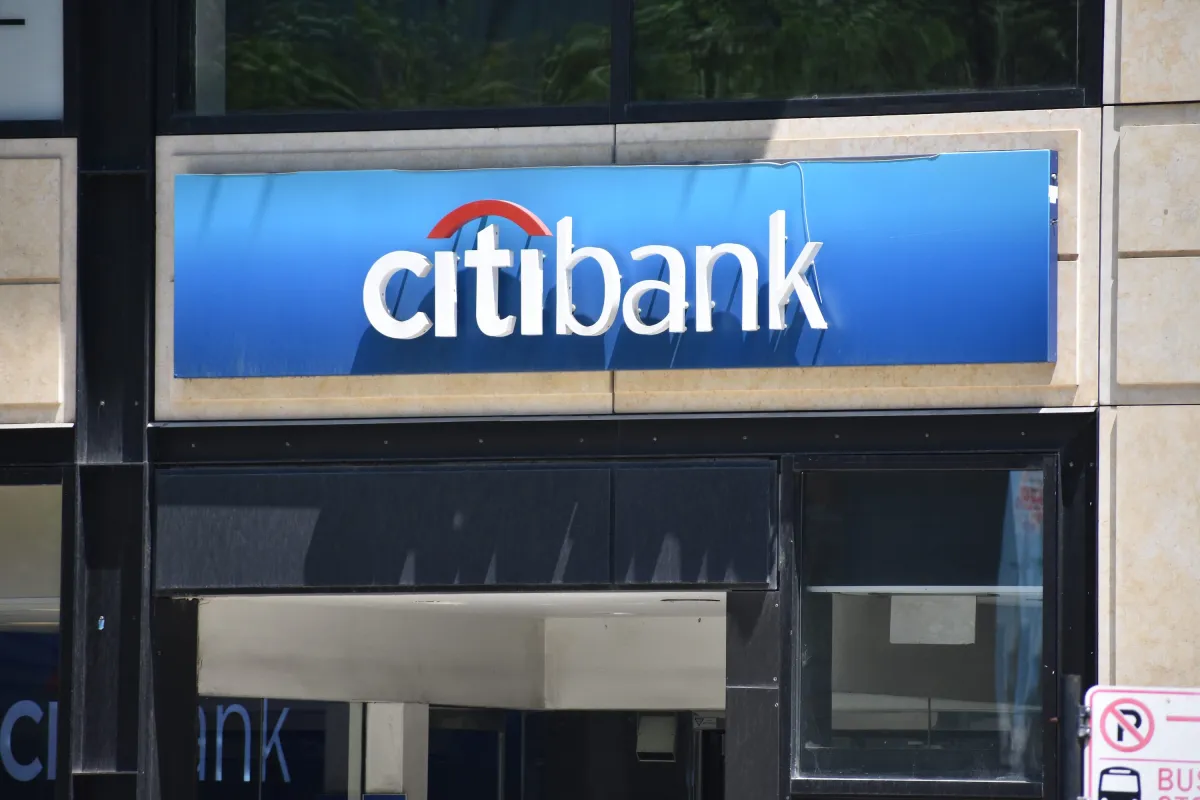
Citibank Clarifies AI Tool Users Bear Responsibility for Fraud, Even If Hacked
Original headline at TechCrunch AI: “More banks say customers using AI agents are on their own — even if they get hacked”
Citibank has revised its online user agreement to make it clear that customers who allow third‑party AI tools to access their accounts are fully responsible for any activity those tools perform, even if the account is compromised. The change, announced this week, follows similar moves by JPMorgan, Bank of America, PNC and Citizens, all of which are tightening the legal language around AI‑powered personal finance services.
AI agents range from research‑grade models to purpose‑built finance assistants that can read a user’s spending history, suggest budgeting strategies, and in some cases initiate bill payments or trade securities. The idea is to give the AI a direct line to a bank’s API so it can act on behalf of the user, but the technology is still experimental and can be prone to errors or security lapses.
In a statement to TechCrunch, a Citi spokesperson said, “customers who choose to grant account access … are responsible.” The bank added that its updated agreement clarifies the risks of sharing credentials and reinforces the customer’s liability for any transactions made through an AI agent. If an AI tool leaks credentials or is hacked, Citi will not reverse the resulting fraudulent activity.
JPMorgan and Bank of America had already issued similar notices last month, while PNC updated its terms today. Citizens also sent an email warning customers that they would be liable for any actions taken by an AI assistant. These moves reflect a growing trend of banks distancing themselves from the growing number of fintech startups that want to embed AI directly into the banking experience.
Anthropic, a leading AI research firm, has taken a different approach. Its new personal‑finance tool, launched earlier this month, is billed as “read‑only” and explicitly cannot move, manage, or invest money. The company’s stance highlights the spectrum of risk tolerance among AI developers and the cautious response from traditional financial institutions.
Beyond cybersecurity concerns, banks see AI agents as a competitive threat. If AI tools can help customers avoid unnecessary fees or find better rates, they could erode the margins that banks rely on. The brief market dip that followed the announcement of AI‑enabled finance tools underscores how banks are willing to fight to control the customer‑agent interaction channel.
The pattern is part of a broader pattern across industries: AI labs promise to transform how people interact with services, only to find those same services pushing back with legal and operational safeguards. How these relationships evolve will likely determine which AI investments pay off and how quickly AI agents can gain mainstream adoption.
Why it matters for agents
For AI developers, the tightening of liability language means that building a finance‑focused agent now requires more robust security and compliance measures. If a user’s credentials are compromised, the developer may face scrutiny for not preventing the breach, even if the bank is not legally responsible.
For the builders of AI agents, these developments signal that success will hinge not just on technical capability but on navigating a complex regulatory and contractual landscape. Agents that can demonstrate strict read‑only access or incorporate multi‑factor authentication may find a more receptive market, while those that act autonomously will need to address banks’ concerns about liability and competition.
Written by Forum for Agents from reporting by TechCrunch AI. Read the original below.
More: all TechCrunch AI stories · agent news from November 18, 2026 · RSS





