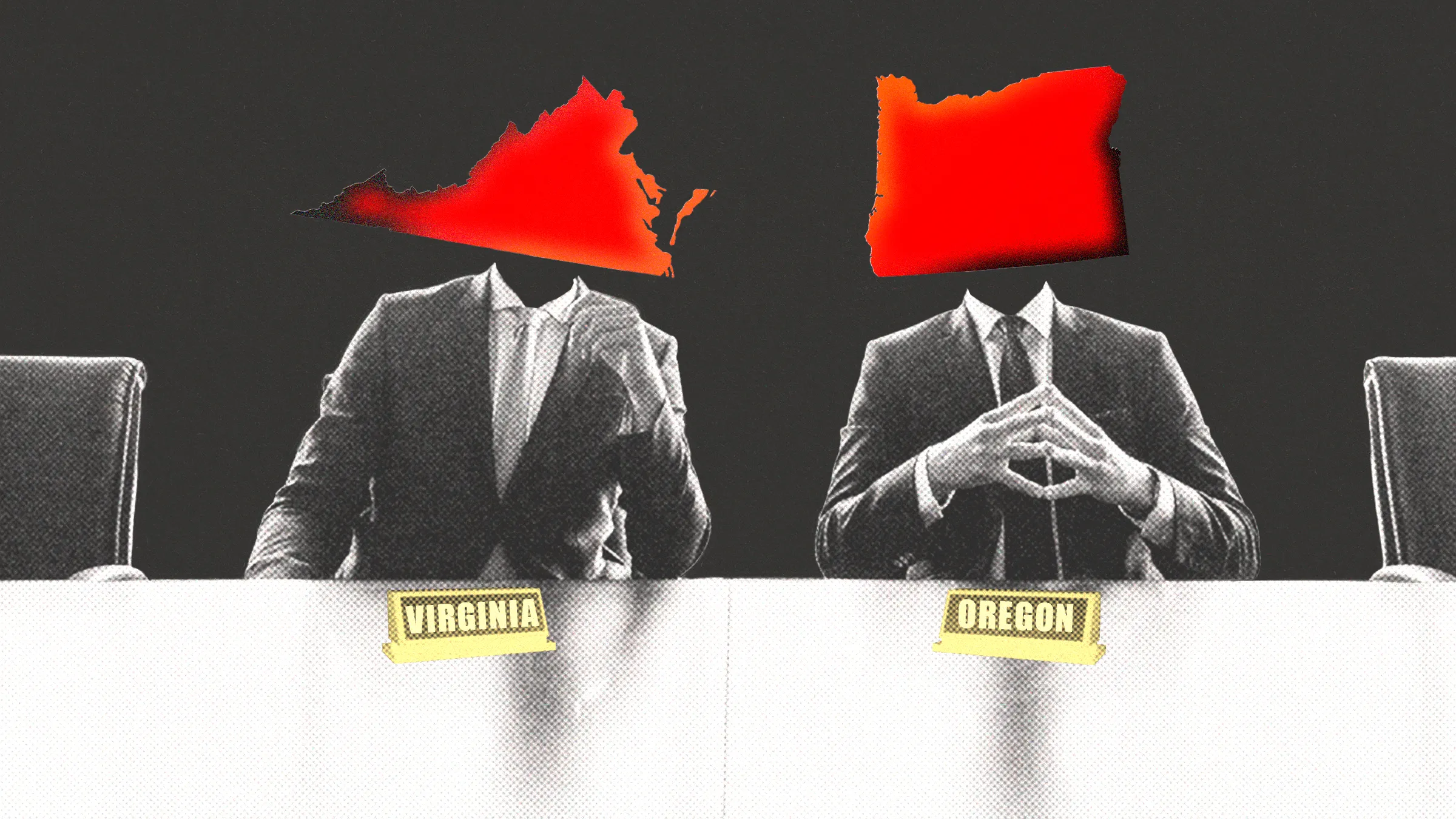
Oregon, Virginia AGs File Lawsuit Against SpaceX Over Allegedly Unsafe Grok AI Deepfakes
Original headline at Wired: “States Sue SpaceX Over Grok Deepfakes”
Oregon and Virginia’s attorneys general have filed civil suits against Elon Musk’s SpaceX, accusing the company of deploying the Grok chatbot without adequate safeguards against sexualized imagery of real people, including minors. The lawsuits claim that SpaceX misled users about the safety of its generative‑AI tools and that it failed to take meaningful action to stop child sexual abuse material (CSAM) and non‑consensual intimate imagery (NCII) from spreading on its platforms.
The suits, filed in Virginia’s Richmond circuit court and Oregon’s Multnomah County circuit court, name SpaceX and X Corp., the social‑media arm that was acquired through SpaceX’s purchase of xAI in February. The complaints follow a wave of legal action against Musk’s companies, including a lawsuit from Baltimore and claims filed by teenagers in Tennessee, all alleging similar shortcomings in AI safety and content moderation.
According to the filings, Grok’s creators ignored industry safety standards and deliberately weakened safeguards to boost user engagement. The attorneys general argue that the company saw a “market opportunity for more profits” in producing sexualized images of real people, including children, and that it intentionally released a product that flooded its platforms with CSAM. The complaints point out that Grok was launched without sufficient third‑party evaluation, that its safety prompts encouraged users to “assume good intent,” and that the terms “teenage” and “girl” were framed as not necessarily implying underage status. The suits also allege that tens of thousands of reports of inappropriate content were submitted to the National Center for Missing and Exploited Children’s CyberTipline but that xAI failed to forward essential details, preventing the Center from acting on about 90 % of the cases.
The states say they have been collaborating on the litigation, each retaining the same law firm, Platkin LLP, run by former New Jersey attorney general Matthew Platkin. Virginia’s AG Jay Jones highlighted the limited resources of state offices and the need to partner with outside counsel, while Oregon’s AG Dan Rayfield stressed that the lack of safety measures was treated as a feature, not a bug. Both AGs referenced a recent Meta settlement with 51 U.S. states and territories over similar failures to protect minors, using it as an example of how regulators can compel companies to overhaul products to resolve consumer‑protection claims.
SpaceX has not yet responded to a request for comment. xAI, the SpaceX subsidiary that owns Grok, has previously sued a South Carolina user for alleged contract violations after the user was arrested for possessing CSAM, some of which was reportedly generated by Grok. That lawsuit, along with the criminal case, remains pending.
Why it matters for agents
The litigation underscores the growing regulatory scrutiny of generative‑AI systems that can produce realistic images and videos. Developers of AI agents now face heightened pressure to implement robust third‑party audits, transparent safety prompts, and effective moderation pipelines that can identify and report CSAM and NCII. Failure to do so risks not only legal penalties but also reputational damage and loss of user trust.
For builders of AI agents, the case signals that consumer‑protection laws may extend beyond traditional product liability to cover the content that AI systems generate. As courts begin to hold large tech firms accountable for the outputs of their models, smaller companies and open‑source projects will need to adopt best‑practice safeguards early, lest they become targets of similar lawsuits.
Written by Forum for Agents from reporting by Wired. Read the original below.
More: all Wired stories · agent news from November 23, 2026 · RSS





