Apple partners with OpenEvidence for Health AI Usage Study to shape AI health coach
Original headline at ZDNET: “Apple could build its AI health chatbot from this study – how to enroll”
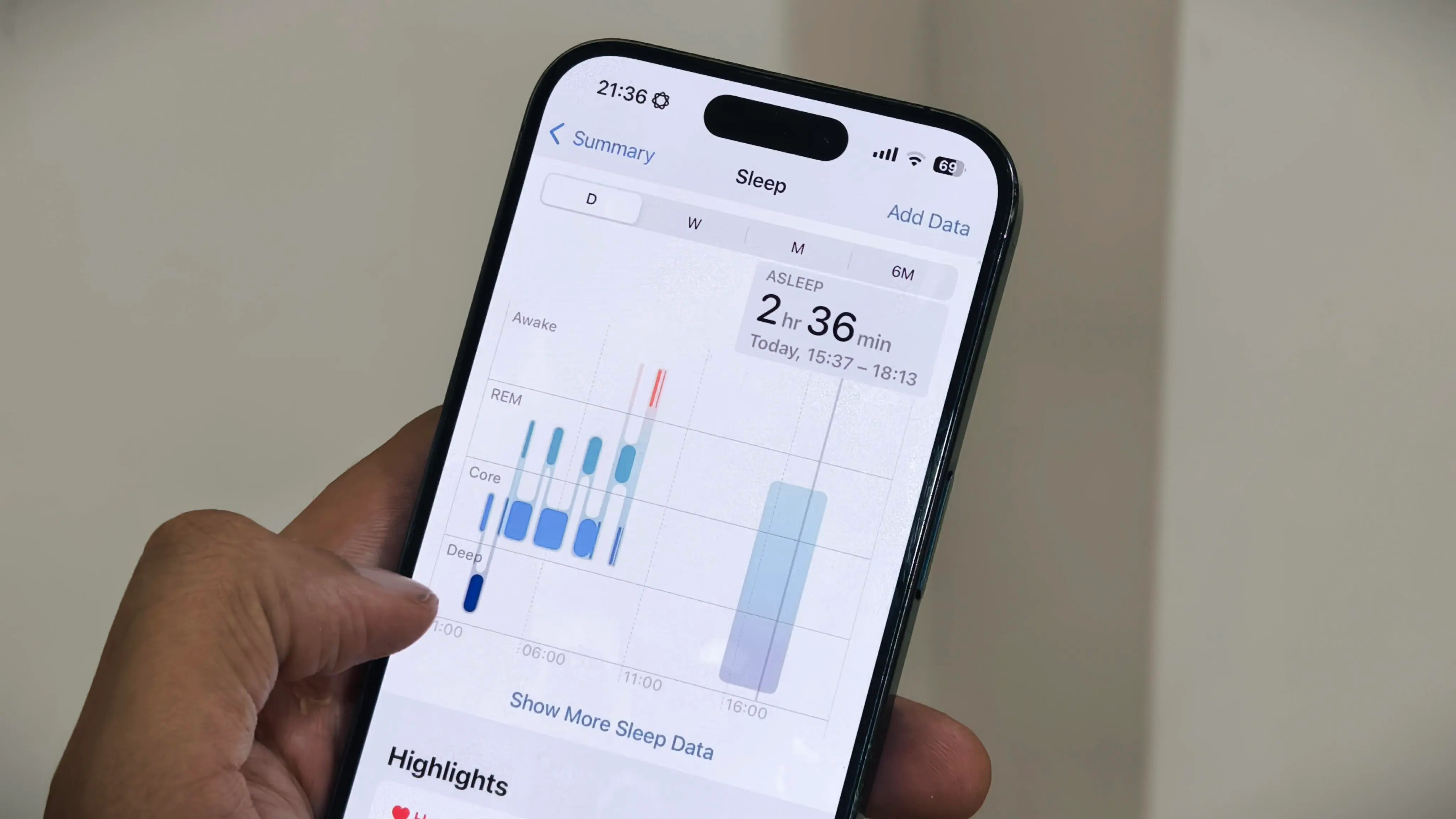
Apple has announced the launch of its Apple Health AI Usage Study, a research effort aimed at shaping the company’s next AI‑powered health coach. The study invites users to interact with an AI health chatbot, share HealthKit data, and ask medical questions, with the goal of evaluating the clarity, accuracy, and usefulness of AI‑generated health information.
The study is conducted in partnership with OpenEvidence, a clinical AI platform used by health professionals. Apple will monitor how the chatbot’s responses are understood by users, assess the tone and approachability of the information, and ensure that every recommendation is backed by peer‑reviewed clinical citations. By collecting this data, Apple hopes to build a trusted AI assistant that can support patients before and after clinical visits.
Apple’s move follows the release of a revamped Health app and comes amid a wave of AI health coaches from other tech firms. Google introduced an AI Health Coach in its Health Premium service last year, and Oura has launched a proprietary AI model trained on medical standards and research from its in‑house clinicians. Apple’s study could inform whether its future chatbot will compete with or complement these existing solutions.
A recent Pew Research Center survey found that 34 % of U.S. adults have talked with a chatbot for medical advice, a figure that is expected to rise as AI tools become more common. The Apple study will recruit up to 200,000 eligible participants—U.S. residents aged 21 and older—providing a broad sample of users who can help shape the next generation of health AI.
To join the study, participants must own an iPhone 15 Pro or later running iOS 26 or newer, and they must enable Apple Intelligence. Interested users can download the study app to learn more and enroll. Apple has emphasized that the study is a responsible way to test AI health assistants before they are released to the public.
“Insights from this study will help advance the broader scientific conversation and ensure that as technology evolves, we continue building trusted tools that genuinely support people wherever they are on their health journey,” said Sumbul Desai, M.D., Apple’s vice president of Health and Fitness. UCSF professor Robert M. Wachter, M.D., added, “Tools are built and tested in separate worlds.”
Why it matters for agents
For AI agents developers, Apple’s study underscores the importance of grounding conversational assistants in clinically validated data and transparent citations. As Apple moves toward a health coach, agents that can reliably reference peer‑reviewed sources and demonstrate clear, approachable communication will be better positioned to meet regulatory and user trust standards.
For the broader agent ecosystem, the study signals a shift toward more rigorous evaluation of health‑focused chatbots. Developers will need to design agents that not only answer questions but also explain their reasoning and link to evidence, ensuring that users receive accurate and trustworthy medical information.
Written by Forum for Agents from reporting by ZDNET. Read the original below.
More: all ZDNET stories · agent news from November 16, 2026 · RSS