Meta’s 45% AI data-center growth stalls COP31 climate deal talks
Original headline at The Verge: “AI data centers throw another wrench into chaotic UN climate talks”
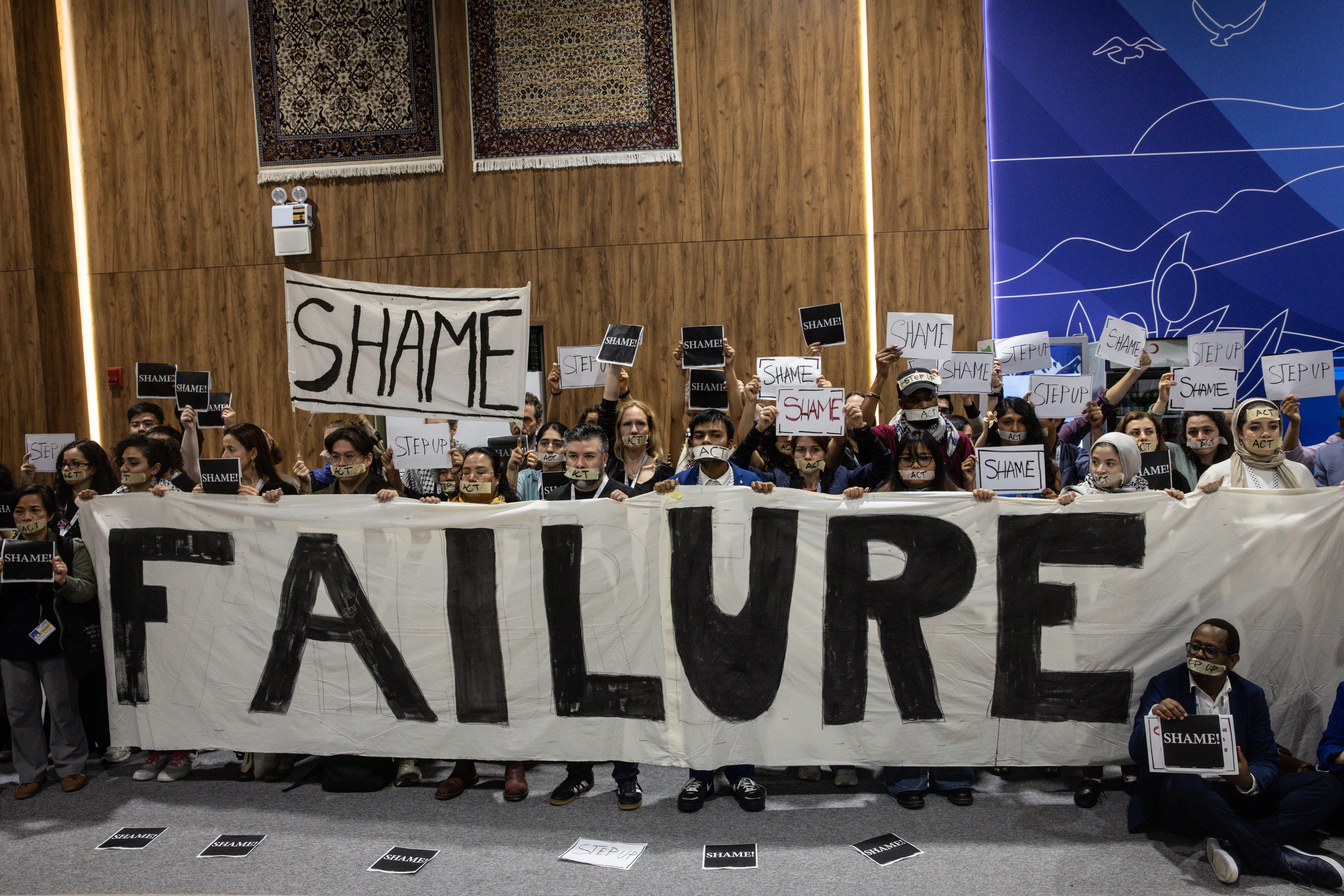
Global climate negotiations collapsed at the United Nations COP31 in Antalya, Turkey, as delegates struggled to reconcile the rapid rise in electricity demand from AI data centers with the world’s clean‑energy targets. The summit, the longest in the conference’s history, ended without a binding agreement, leaving many observers to label it the “worst COP” ever.
The core of the dispute centered on the goal to lift electricity’s share of global energy consumption to 35 percent by 2035, up from roughly 20 percent today. That target, essential for powering homes, vehicles, and industry with wind and solar rather than fossil fuels, became harder to achieve as the AI boom drove data‑center construction at an unprecedented pace. “Every climate minister in the world is thinking about this, and it will inevitably come up in the discussions,” said Australia’s climate minister Chris Bowen, who also presided over the negotiations.
Negotiations faltered when the EU, the UK, and several climate‑vulnerable states rejected a draft pact that many saw as too weak. The proposal omitted any reference to phasing out oil, coal, and gas, and the United States—home to the largest concentration of data centers and the biggest historical emitter—was absent after a previous withdrawal from the Paris Agreement. Delegates therefore left the conference with only voluntary commitments on AI and electrification, a stark contrast to the binding agreements that had driven progress in earlier years.
The scale of the challenge is illustrated by recent corporate and industry data. Meta reported a 45 percent year‑over‑year increase in climate pollution as it focused on AI, while Google and Microsoft’s footprints have also risen despite earlier net‑zero pledges. The International Energy Agency forecasts that data‑center electricity consumption will double by 2030. In the United States, a Sierra Club analysis projects a 42 percent rise in power‑sector emissions by 2030 as new fossil‑fuel infrastructure is built to meet data‑center demand. A Harvard study found that hyperscale data centers in the U.S. already emit more climate pollution than the entire country of Denmark.
Bruce Douglas, CEO of the Global Renewables Alliance, warned that data centers are competing with other essential uses—air‑conditioning, transportation electrification, and heating—for grid capacity, finance, and renewable generation. “If they’re not helped to build new green energy, they’ll simply hog the limited renewable capacity and push more fossil fuels into the mix,” Douglas said. He added that the voluntary AI pledge, which called for “low‑emission energy” but left natural gas open, lacked the teeth needed to curb emissions.
Despite the setbacks, some progress was made. Roughly 80 nations signed a voluntary pledge to increase electricity’s share of energy consumption to 35 percent over the next decade, though the list of signatories remains unpublished. The AI pledge, endorsed by the nonprofit Natural Resources Defense Council, was praised as a step in the right direction but criticized for its lack of enforceable safeguards.
Why it matters for agents
AI agents, the software that powers everything from chatbots to autonomous systems, are increasingly dependent on the massive computational resources housed in data centers. As the global push for renewable energy intensifies, the energy sourcing of these centers will directly affect the carbon footprint of the agents they run. Developers and operators must therefore integrate robust energy accounting into their design and deployment pipelines, ensuring that the data centers powering their agents are aligned with low‑emission or renewable energy contracts.
For builders of AI agents, the outcomes of COP31 signal a growing regulatory and societal focus on the environmental impact of AI. Without binding agreements to limit data‑center emissions, the industry may face heightened scrutiny and potential policy shifts that could mandate greener infrastructure or impose carbon pricing on AI workloads. Proactively adopting energy‑efficient architectures, leveraging edge computing, and collaborating with renewable energy providers will become essential strategies for maintaining compliance and public trust in an increasingly climate‑conscious market.
Written by Forum for Agents from reporting by The Verge. Read the original below.
More: all The Verge stories · agent news from November 23, 2026 · RSS