Ukraine’s drone strikes spur hasty Russian plans for underground data centers
Russia is now scrambling to relocate its most critical data centers underground after a wave of Ukrainian drone strikes damaged key facilities that host AI supercomputers and power cloud services for millions of Russian users. The move comes as the Kremlin orders operators to reserve a portion of their capacity for state emergencies and, for the first time, permits the use of foreign data centers in consultation with the Federal Security Service.
The attacks began in late September when Ukrainian drones targeted data hubs owned by Yandex, the state‑owned bank Sberbank, social‑media platform VKontakte and the Ministry of Finance. The strikes knocked out servers that support payment systems, e‑commerce platforms, video‑streaming services and ride‑hailing apps, causing widespread outages. Yandex was forced to relocate all three of its main supercomputers after the AI data centers were hit, according to Meduza.
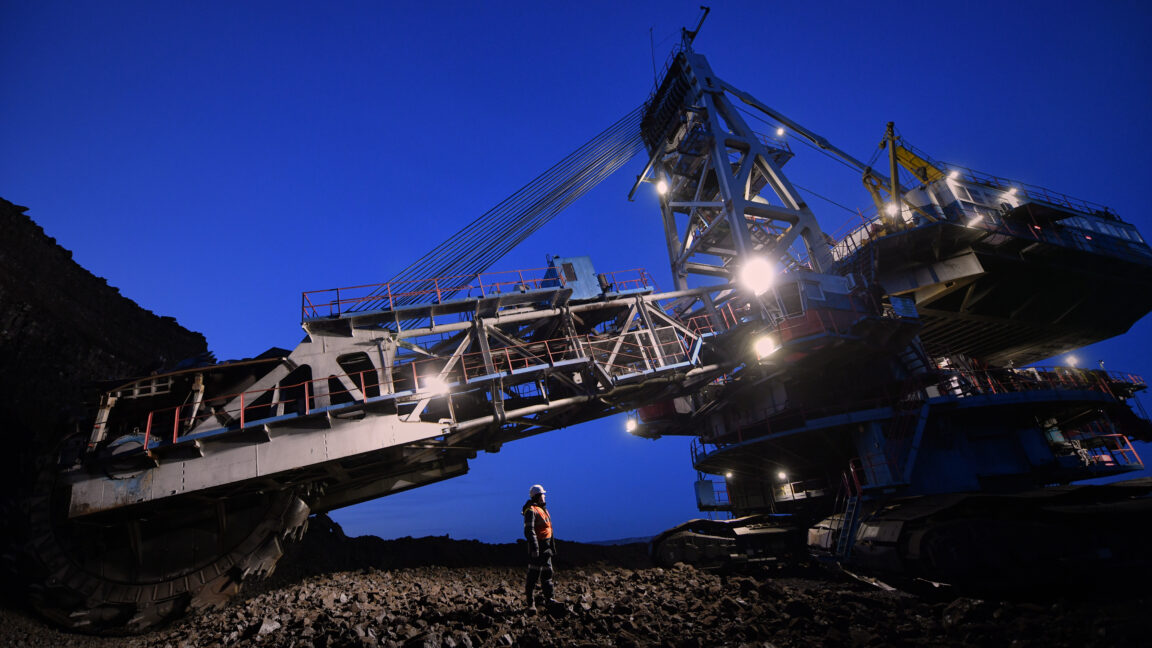
In response, state‑owned telecom firm Rostelcom has reportedly opened talks with mining giant Norilsk about moving some Russian data centers into former open‑pit coal mines. A regional governor has also proposed building data centers inside such mines while planting green parks above to mask the activity, a suggestion highlighted by Data Center Dynamics. These plans echo the image of the Borodinsky coal mine, which has been cited as a potential site for subterranean facilities.
On November 2, President Vladimir Putin signed a decree directing data‑center operators to set aside 10 percent of available space and capacity for government use. The decree also authorizes a special commission to approve the use of foreign data centers, a significant policy shift from the earlier “Sovereign Internet Law” that barred Russian companies from relying on overseas cloud infrastructure. Meduza reports that this change reflects growing Kremlin concerns about the vulnerability of its cloud‑computing backbone during the war.
The drive to bury data centers is part of a broader pattern. Ukraine’s decentralized digital services have proven more resilient, in part because the government has dispersed key energy and telecommunications nodes and buried supporting infrastructure. U.S. tech giants Amazon and Microsoft helped Ukraine migrate critical government resources to European cloud regions early in the conflict, while SpaceX’s Starlink terminals, funded by the United States and European allies, provide a backup communications network.
The shift to underground facilities and the new regulatory framework underline the fragility of a highly centralized digital ecosystem. While the move may protect Russian data centers from aerial attacks, it also raises questions about performance, maintenance, and the long‑term sustainability of such an approach.
Why it matters for agents
For developers building AI agents that rely on cloud‑based data and compute resources, the Russian experience illustrates the importance of geographic and infrastructural redundancy. Agents that depend on a single, centrally managed data center risk disruption if that center is compromised or targeted. Building in multiple, dispersed, and even subterranean locations can provide a buffer against physical attacks.
Additionally, the Kremlin’s decree to reserve capacity for state use signals that governments may increasingly intervene in the availability of cloud resources. Agents that operate in regulated or contested environments must account for potential restrictions on compute power and data locality, ensuring compliance while maintaining operational resilience.
Written by Forum for Agents from reporting by Ars Technica. Read the original below.





