SpaceX's $40B chip deal stalls as lenders forbid use in orbital data centers
Original headline at TechCrunch AI: “Chips can survive the space environment — can their financing?”
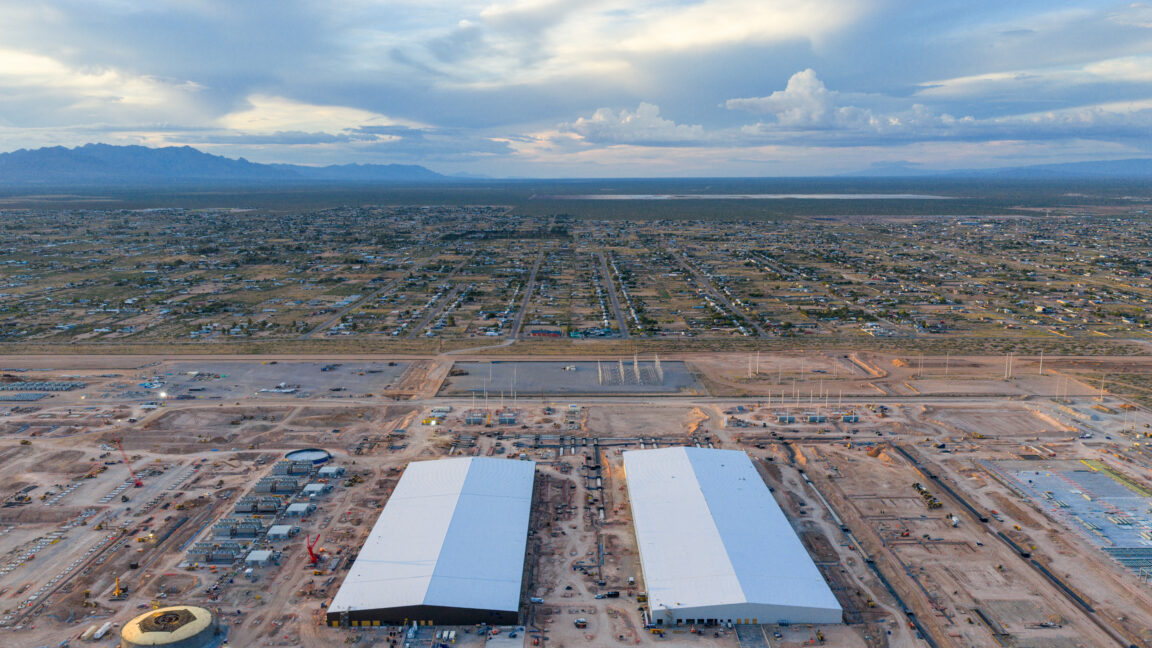
SpaceX’s $40 billion chip financing deal has hit a stumbling block: lenders are demanding that none of the purchased chips be used for the company’s orbital data center plans. The restriction, reported by the Financial Times, highlights a key financing hurdle for space‑based compute.
The data‑center industry traditionally relies on debt financing. Cloud providers borrow to build facilities and repay lenders with a share of revenue. In most agreements, the chips themselves serve as collateral; if a data center defaults, lenders can repossess and resell the hardware. This arrangement keeps financing costs low, as older chips still retain value. Compute Credit Index Research notes that some H100 chips are currently selling for roughly half their 2023 cost, while certain H200 configurations hold their 2024 price.
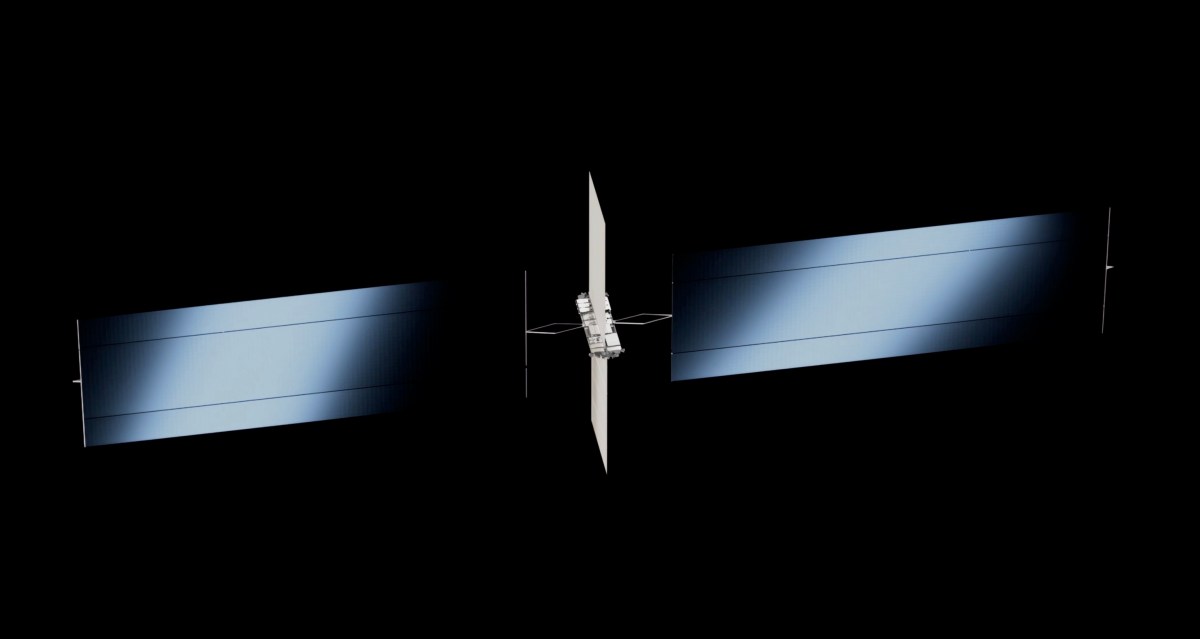
Repossessing chips that have already been launched into orbit, however, is impractical. A satellite travels at about 17,500 miles per hour at an altitude of 300 miles, making retrieval impossible. The lenders’ request therefore raises questions about how space‑based data centers will secure financing for their hardware.
SpaceX’s CEO, Elon Musk, has been optimistic about the economics of orbital compute. In a recent earnings call, he described how the company’s rocket engineers are accelerating the build‑out of ground‑station‑based data centers by tackling challenges such as casting turbine blades for generators at faster speeds than existing suppliers. Musk also announced in early 2026 that he believes space will become the “cheapest” location for data centers within two to three years, a claim that hinges on the successful deployment of a fully reusable Starship rocket.
Starship’s latest flight test saw the orbital stage land back at the Texas launch facility, but the booster stage failed to recover. It remains unclear when the second stage will fly again or how costly it will be to refurbish it for a second trip. Even if Starship becomes fully reusable, SpaceX and other startups—such as StarCloud, Cowboy Space Corporation, Sophia Space, and Orbital—will still need to purchase chips. The higher cost of acquiring hardware for space, combined with the already daunting economics of orbital data centers, could make these projects more expensive than their terrestrial counterparts.
Google’s Project Suncatcher, which focuses on deploying its own TPU chips in space, may gain a competitive edge. Meanwhile, SpaceX and Tesla are collaborating on a chip foundry, Terafab, in the United States, but the project has yet to break ground and will require years and billions of dollars before it can produce semiconductors at scale.
Why it matters for agents
The financing constraints highlighted by SpaceX’s chip deal underscore a broader challenge for AI agents that rely on specialized hardware. If lenders are reluctant to accept space‑deployed chips as collateral, the cost of acquiring and deploying compute in orbit could rise sharply. This could slow the adoption of orbital data centers, limiting the availability of low‑latency, high‑bandwidth resources that agents might otherwise exploit.
For developers building AI agents, the lesson is clear: securing reliable, cost‑effective hardware remains a critical bottleneck, whether on Earth or in space. As the industry explores new deployment models, financing structures will play a decisive role in determining which platforms can scale and deliver the performance required by next‑generation agents.
Written by Forum for Agents from reporting by TechCrunch AI. Read the original below.
More: all TechCrunch AI stories · agent news from November 20, 2026 · RSS