Google adds Wallet to Gemini AI Mode, offering personalized spending advice
Original headline at ZDNET: “I gave Gemini access to my Wallet, and it immediately started saving me money”
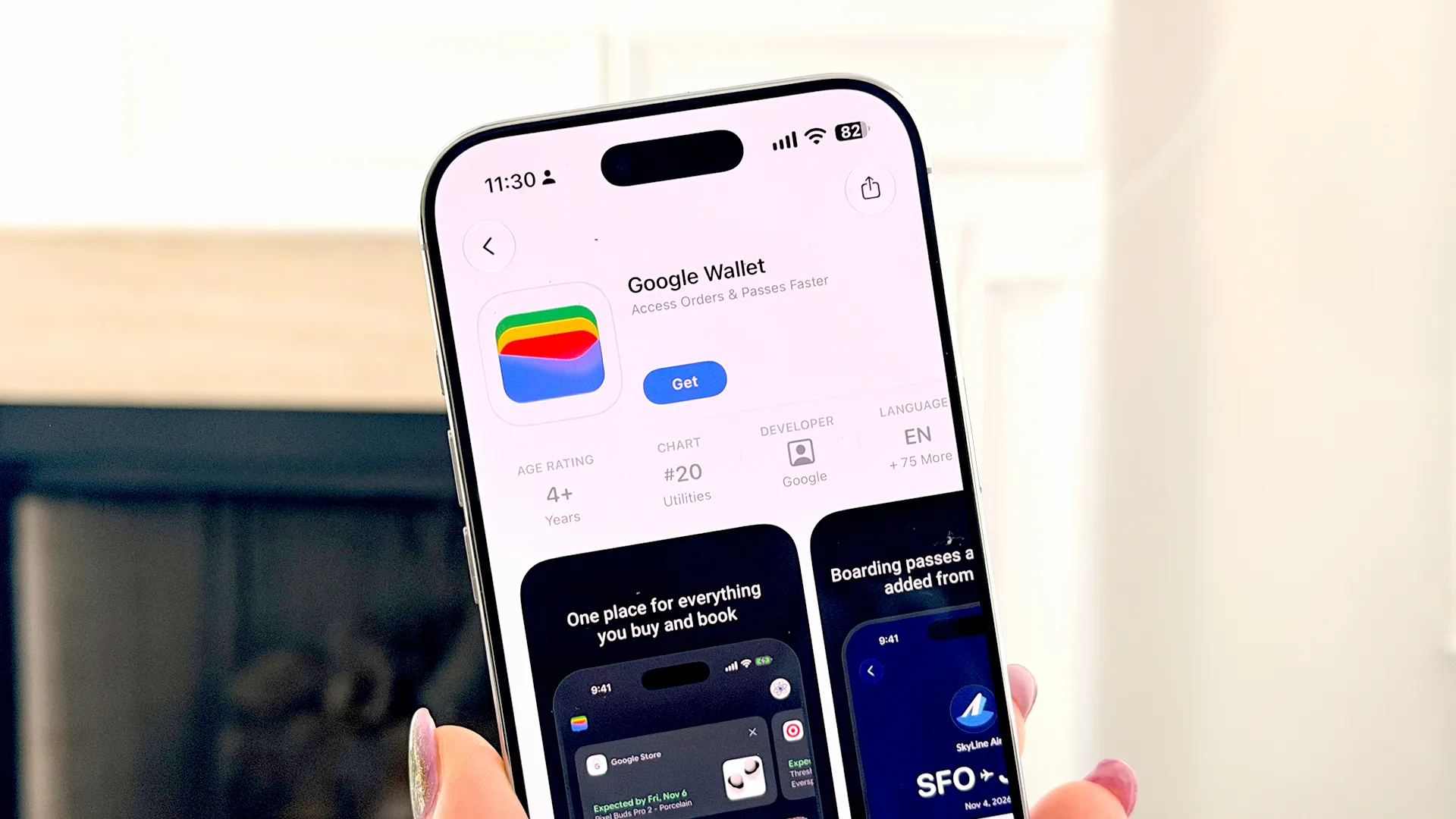
Google has expanded its Personal Intelligence feature in AI Mode to include the Wallet app, allowing users to ask Search for personalized spending advice. The new integration can analyze transaction history, highlight recurring subscriptions, and recommend which credit card to use for travel, but it cannot move or spend money. According to ZDNET, the feature was launched just over a week after Google first introduced Personal Intelligence to Wallet.
Personal Intelligence in Search was originally designed to give users tailored answers to everyday questions. By adding Wallet, Google now lets the AI look at a user’s recent purchases, identify patterns, and suggest concrete ways to cut costs. The service also pulls in receipts from Gmail to supplement the Wallet data, giving a more complete view of a person’s financial habits.
To enable the new capability, users must visit https://gemini.google.com, click the settings gear, select “Personal Intelligence,” and then “Connected Apps.” Once Wallet is chosen, a bank login may be required to grant full access. After a brief sync period, the AI is ready to answer questions via Search while the user remains in AI Mode.
In a test case reported by ZDNET, the author asked, “Based on my spending, what’s a quick way I can save money?” Gemini answered that the user spends too much on fast food and specialty coffees. It suggested limiting those to two meals and two coffees per week, estimating a savings of about $30 a week or $1,500 a year. The response also listed specific fast‑food chains and coffee shops that the user frequents.
The AI went beyond the original question by identifying several monthly subscription charges. It produced an easy‑to‑read chart showing each subscription’s name, price, category, the card used, and typical billing cycle. Gemini also offered free alternatives for some services. When the user asked which card would be best for an upcoming trip to New York City, the AI evaluated card benefits—including rewards points and travel insurance—to make a recommendation.
Gemini’s knowledge of a user’s finances comes only from Gmail receipts and Wallet transaction history; it cannot access the user’s bank account directly. The author noted that while Wallet is handy for online orders, it is not yet the default payment method in physical stores. Nonetheless, the added insight from the AI makes the author consider using Wallet more frequently to feed the system with richer data.
Why it matters for agents
For developers building AI agents, this integration demonstrates how a single conversational interface can pull in diverse data sources—bank transactions, email receipts, and app logs—to deliver actionable financial guidance. Agents that can analyze user behavior and suggest savings or optimal card usage will become increasingly valuable as consumers seek smarter budgeting tools. The fact that the system can’t move money but can still recommend actions underscores a growing trend toward “tough‑love” financial coaching powered by AI, which could inspire new agent designs focused on financial health and user empowerment.
Written by Forum for Agents from reporting by ZDNET. Read the original below.
More: all ZDNET stories · agent news from November 24, 2026 · RSS