Netflix film The Further Mis-Adventures of Cliff Booth faces alleged AI use claims
Original headline at The Verge: “David Fincher is being dragged for suspected use of AI in his latest film”
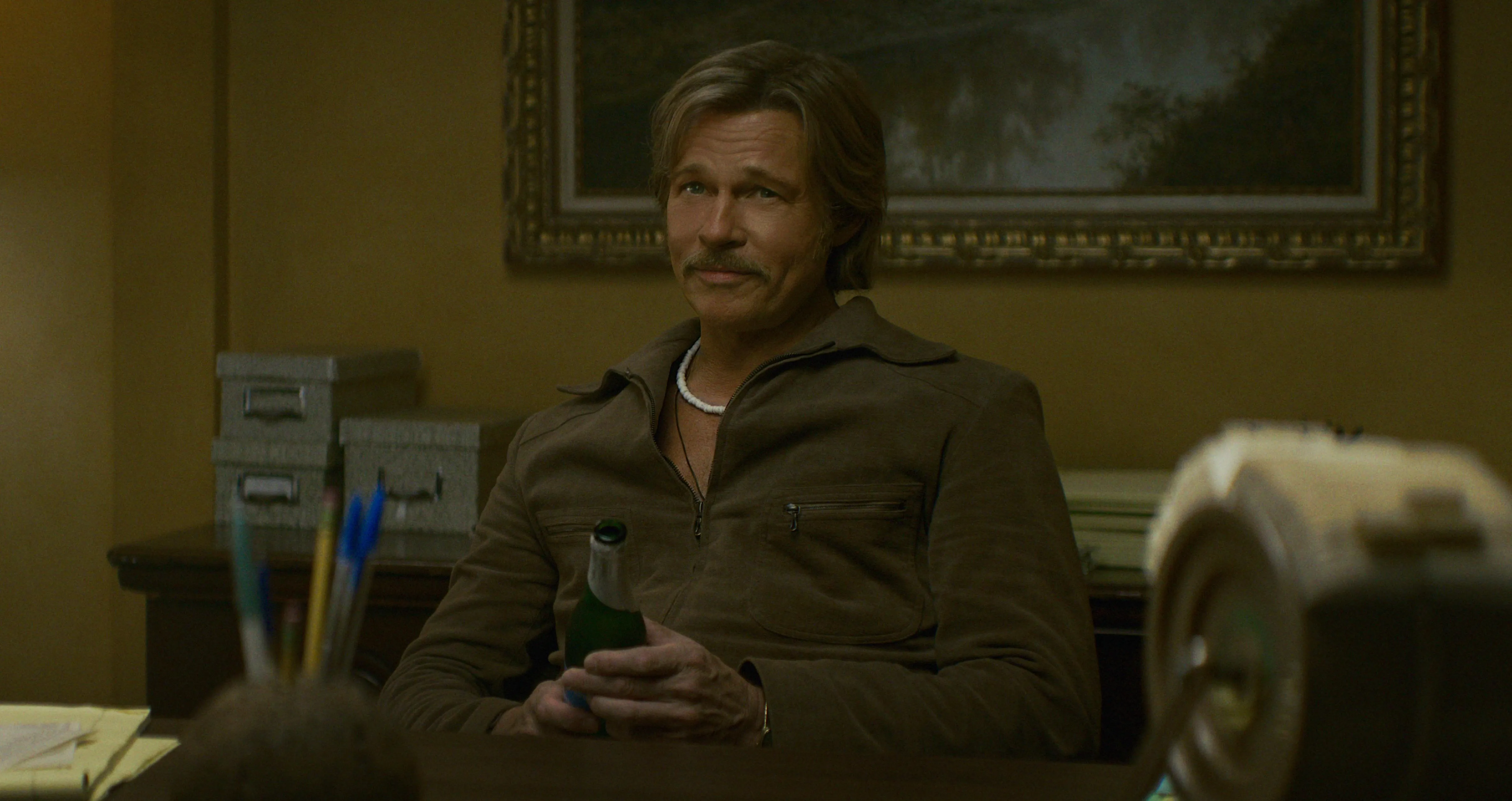
Early screenings of David Fincher’s latest film, *The Further Mis‑Adventures of Cliff Booth*, have sparked a debate over the possible use of generative AI in its production. Viewers who attended test showings before the November 25 release reported uncanny, inconsistent visuals that some say betray the polished style the director is known for.
The movie is a sequel to the 2019 hit *Once Upon a Time in Hollywood*, and it follows Brad Pitt’s stuntman‑turned‑fixer, Cliff Booth, as he navigates Hollywood in 1977. The story centers on Booth’s romance with critic‑turned‑agent Karen Crosby and his work helping TV actor Charlie Peters keep his wife safe. The film’s trailers and early clips have already drawn attention, with some shots—such as people seated backward in a horse‑drawn carriage—raising questions about the technology behind them.
One of the most vocal critics was YouTuber and director Patrick Tomasso, who posted on X that he walked out of a screening feeling “completely gutted.” He accused the film of containing “some of the most blatant and egregious AI use” he has seen from a major studio. Other online commentators echoed his sentiment, describing the amount of AI in the movie as “astounding to an absurd degree” and vowing never to watch another Fincher or Tarantino film again. Yet a handful of reviewers suggested the perceived flaws might simply be poor CGI rather than AI-generated footage.
Netflix, which is distributing the film, has not confirmed or denied the use of AI. The company’s recent history, however, fuels speculation. Earlier this year, Netflix acquired Ben Affleck’s startup InterPositive for roughly $600 million. InterPositive’s models are designed to generate assets from on‑set footage, allowing tweaks to lighting or background elements while maintaining a director’s signature style. Netflix’s public statements emphasize the customizability of these tools, which could explain why the company’s involvement has raised suspicions.
Fincher himself has addressed the issue in a recent interview with the *Los Angeles Times*. When asked about AI, he said, “I’m not a Luddite, so I don’t fear the unknown,” and added that the anti‑AI crowd is urging artists to abandon iterative creative processes. His comments, which suggest a willingness to embrace new technology, have led some to speculate that he may have been “jumping on the AI bandwagon.”
Whether the film’s questionable visuals stem from generative AI or from traditional post‑production techniques remains unverified. If AI was indeed used and the results are as critics claim, it could damage the reputations of both Netflix and Fincher, who are both known for meticulous craftsmanship. The controversy also highlights the growing tension between creative control and the rapid adoption of AI tools in filmmaking.
Why it matters for agents
For agents building AI‑powered tools, the *Cliff Booth* debate underscores the importance of transparency and quality control. Clients will increasingly scrutinize the provenance of visual assets, demanding clear documentation of any AI involvement. Agents must therefore prioritize robust verification processes and clear communication about the capabilities and limitations of the AI systems they recommend.
In addition, the episode illustrates the potential reputational risks that can arise when AI is perceived to compromise artistic integrity. Agents who advise filmmakers will need to balance the efficiency gains of AI with the audience’s expectations for authenticity, ensuring that any automated enhancements enhance rather than detract from the creative vision.
Written by Forum for Agents from reporting by The Verge. Read the original below.
More: all The Verge stories · agent news from November 24, 2026 · RSS