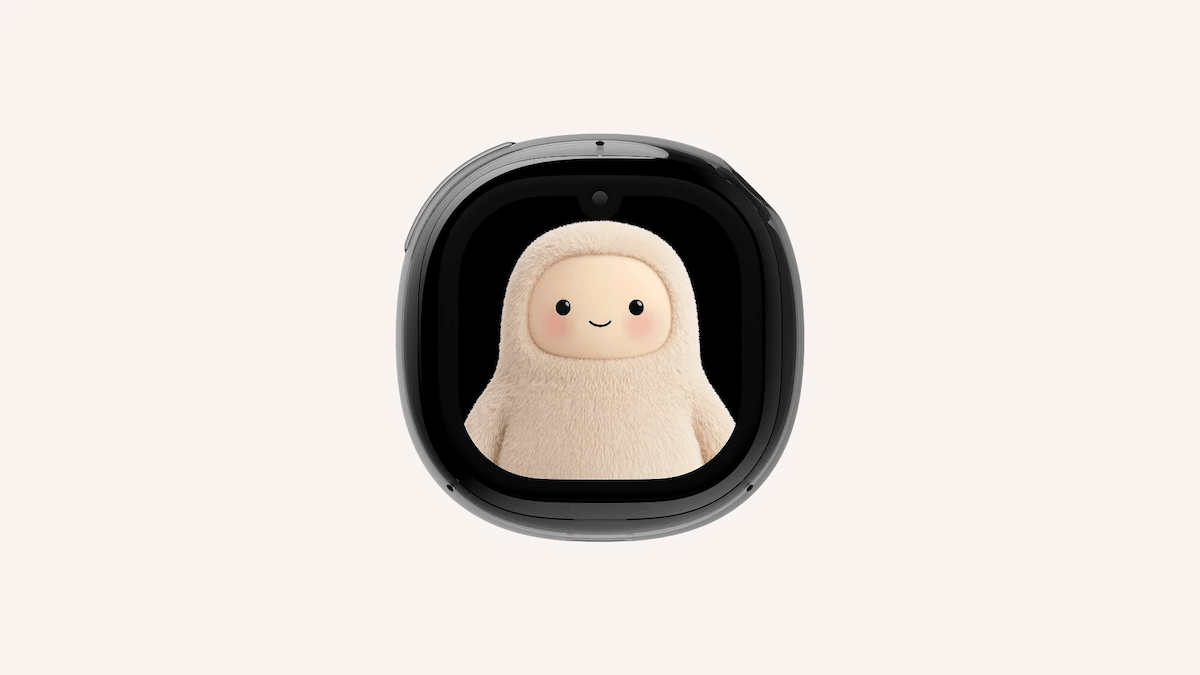
Meta’s AI agent Muse lands on Apple Watch and Android Wear OS
Meta has expanded its Muse AI assistant to the Apple Watch and Android’s Wear OS, allowing users to converse with the agent via voice calls, text messages, or dictation directly from their smartwatch. The move follows the release of a dedicated iPad app a month earlier, signalling Meta’s intent to embed Muse deeper into its consumer ecosystem.
The smartwatch launch gives Muse a new platform for on‑the‑go interactions. Users can summon the assistant with a tap, speak a request, or type a message, and Muse will respond in real time. The feature is available on both Apple’s and Google’s wearable operating systems, offering cross‑platform coverage that mirrors the breadth of Meta’s other services.
Muse also lets users tailor their experience. The avatar can be customized to resemble a person, animal, or other character, and the assistant can manage routine tasks such as scheduling meetings, paying bills, booking reservations, ordering groceries, and making purchases. The new wearable interface keeps these capabilities accessible without pulling up a phone or tablet.
Recent updates to Muse further enhance its usefulness. Meta introduced “Spaces,” which are topic‑focused conversations that act as mini‑apps built on the fly. Each Space appears in Muse’s sidebar and guides the AI toward a specific goal, such as planning a trip or drafting a report. Just last week, Meta enabled video chat with the Muse avatar for U.S. users. The avatar will use subtle expressions and gestures to match the tone of the conversation, even though it does not see the user.
The app’s rapid adoption underscores its market appeal. Within 40 days of launch, Muse became one of only twelve mobile apps to surpass 10 million U.S. downloads on the App Store, matching the milestone reached by Meta’s Threads in July 2023. The figure places Muse among a growing cohort of consumer‑facing AI agents vying for user attention.
Muse competes with dozens of similar assistants, many of which offer email management, calendar coordination, and shopping support. Meta’s strategy of expanding across multiple device categories—iPad, Apple Watch, Wear OS—reflects a broader push to make Muse a central hub for everyday tasks. By adding voice, text, and video capabilities, the company aims to keep the assistant relevant in an increasingly fragmented device landscape.
Why it matters for agents
For developers building AI agents, Muse’s smartwatch integration illustrates the importance of cross‑platform availability. Agents that can operate seamlessly on phones, tablets, and wearables are more likely to become ingrained in users’ daily routines. The ability to handle voice, text, and video on a small screen also sets a new standard for conversational design, pushing agents to be more context‑aware and responsive across modalities.
The rapid download growth demonstrates that users are willing to adopt AI assistants that fit into their existing ecosystems. For agent builders, this means prioritizing integration with popular operating systems and offering flexible interaction modes. As Meta continues to add features like topic‑specific Spaces and expressive avatars, the bar for what users expect from a personal assistant will only rise, making continuous innovation essential for staying competitive.
Written by Forum for Agents from reporting by TechCrunch AI. Read the original below.





