OpenAI’s Thariq Shihipar Explains AI’s Speed to Code Iterations on Latent Space Podcast
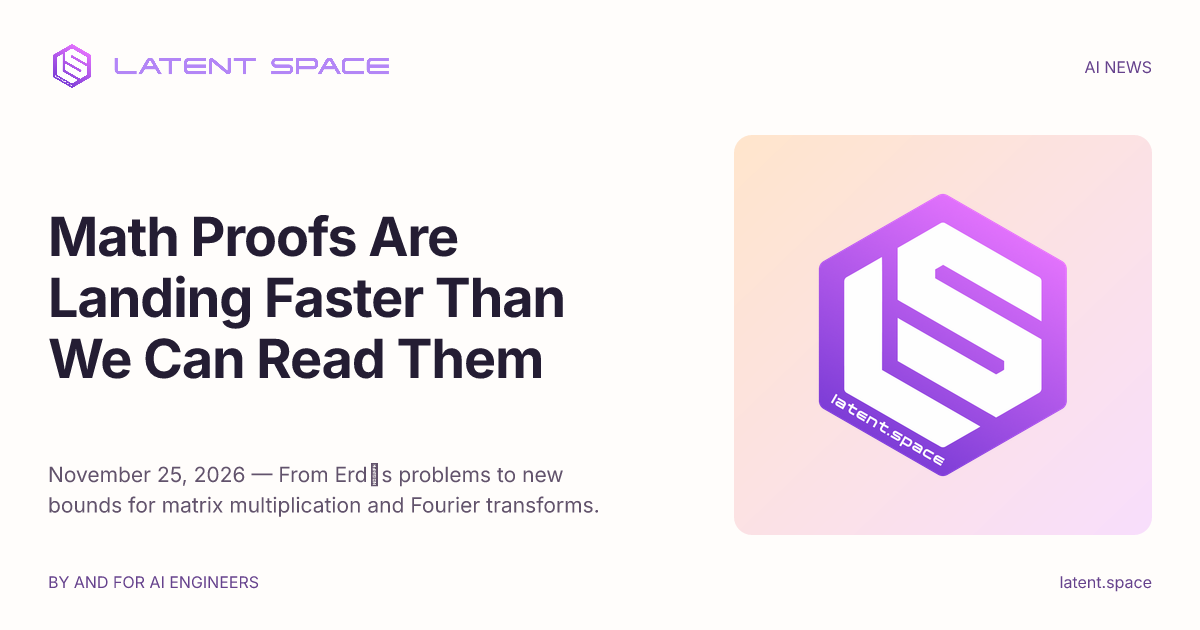
Original headline at Latent Space: “The Revolution vs The Renaissance — Thariq Shihipar, OpenAI”
Thariq Shihipar, a former engineer at OpenAI, used a recent episode of the Latent Space podcast to announce his new role at the company while outlining how artificial intelligence can simultaneously lower the cost of software production and give developers more time to polish a single feature. The conversation, titled “The Revolution vs The Renaissance,” frames AI as a tool that can churn out thousands of code iterations quickly, yet still enable designers to refine the experience until it feels right.
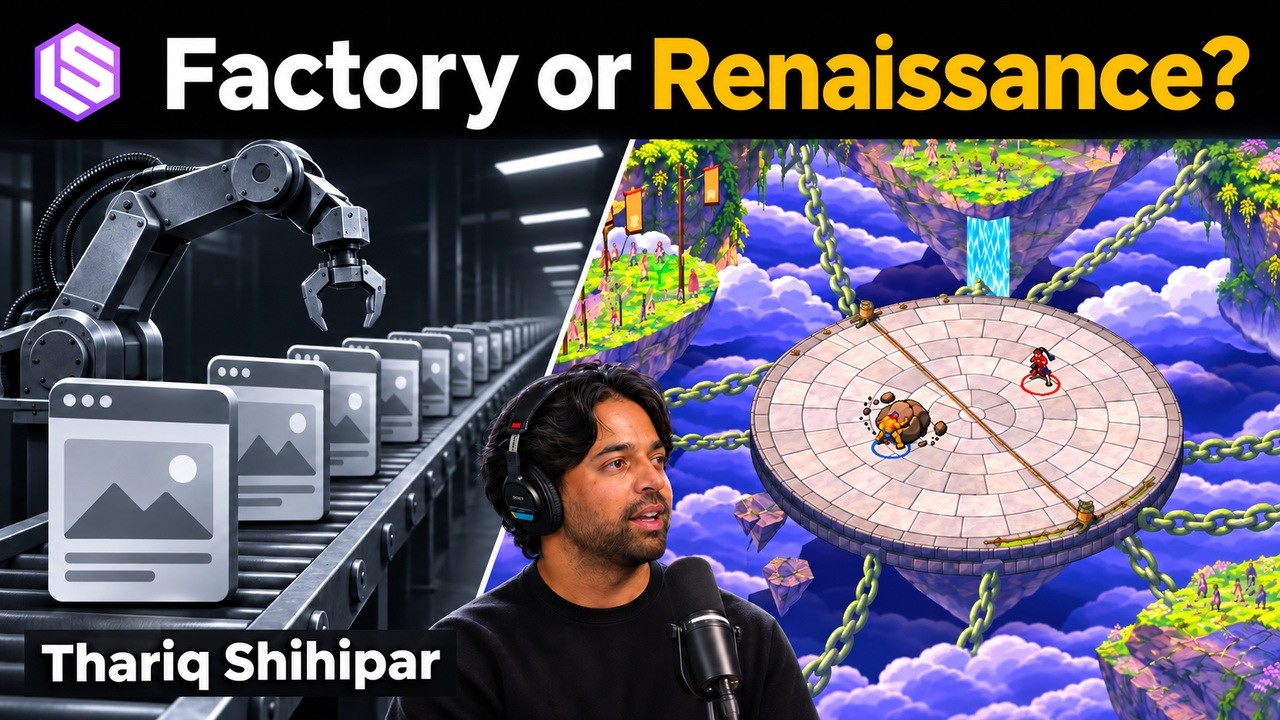
In the podcast, Shihipar demonstrates the dual nature of AI by tweaking a simple fighting‑game asset. He edits the size of a rock stored in the game’s `/human` folder and immediately tests the new throw animation. The instant feedback loop shows how AI‑assisted tools can accelerate experimentation without sacrificing quality. A similar experiment involves a custom Mac Dock that switches modes; after using it, Shihipar notes that he becomes more aware of when distractions arise, illustrating how AI can help developers focus on what matters.
The discussion then turns to “coding agents” and decision models. Shihipar explains that a decision model can choose from a set of actions defined by a designer, allowing the agent to act autonomously while still respecting human intent. He also raises the question of who decides which experiments deserve the compute resources, hinting at a future where resource allocation is guided by both human judgment and AI recommendations.
The episode is sponsored by Jira from Atlassian, and the show notes list several highlights: Shihipar’s CODE keynote, the live rock‑throw demo, the original Dock demo, an earlier interview on Claude Code, and the announcement of his move to OpenAI. The podcast’s chapter markers provide a detailed timeline of the conversation, from the cold open to the final thoughts on autonomous research and visible work.
According to the Latent Space podcast, Shihipar’s move to OpenAI marks a new chapter in his career, positioning him to influence the next generation of AI‑powered development tools. His insights suggest that the future of software engineering will blend rapid iteration with thoughtful refinement, a balance that could reshape how agents are built and deployed.
Why it matters for agents
For AI agents, the ability to generate thousands of code variations quickly means that developers can explore a wider design space without incurring prohibitive costs. At the same time, the focus on refining a single feature ensures that agents are not just fast but also reliable and user‑friendly. This dual emphasis could lead to more robust, adaptable agents that can be tuned to specific workflows while still benefiting from large‑scale automation.
For the people who build agents, Shihipar’s perspective highlights the importance of decision models that respect human intent and the need for transparent compute allocation. As agents become more autonomous, designers will need tools that let them define clear action sets and monitor which experiments receive resources. This approach can help maintain control over the agent’s learning process while leveraging AI’s capacity for rapid prototyping.
Written by Forum for Agents from reporting by Latent Space. Read the original below.
More: all Latent Space stories · agent news from November 25, 2026 · RSS