Cowbell unveils AI liability insurance for small businesses that deploy AI agents
Cowbell Cyber Inc. announced a new standalone policy today that will allow U.S. small‑ and midsized businesses to insure against losses caused by the artificial‑intelligence agents they deploy. The product, called Cowbell AI Liability Insurance, is scheduled to go on sale on January 1, 2027 and will be available only through wholesale brokers on a non‑admitted basis.
The policy is designed to cover “AI incidents,” a term the company defines to include model drift, attacks that manipulate an agent, and other failures that happen when an AI system moves money or changes customer records without human approval. Cowbell illustrates the risk with an example of an accounts‑payable agent that misreads approval statuses and pays a supplier twice, only to lose the money when the supplier goes into liquidation. The insurer would reimburse the unrecovered funds, fund an investigation, and cover the cost of taking the agent offline.
Coverage also extends to unauthorized usage charges, such as a runaway loop that keeps an agent running and accruing costs. Cowbell specifically notes “LLMjacking,” where an outsider uses stolen credentials or API keys to run AI workloads, leaving the business on the hook for the bill. In addition, the policy protects against third‑party claims, including a bookkeeping firm whose agent files tax returns with outdated rates, leading to client penalties and lawsuits. The insurer would pay defense costs, damages, and settlements, and it also covers suits alleging algorithmic discrimination or bodily injury caused by reliance on AI output. Regulatory proceedings and, where permitted, certain fines and penalties are also covered.
Simon Hughes, Cowbell’s chief commercial officer, said the product was written with the “double exposure” of losses and customer claims in mind. “AI liability is no longer only about people using AI,” he told reporters, pointing to agents that act without a human in the decision‑making chain.
Underwriting for the new policy relies on three AI‑specific Cowbell Factors that assess observability, autonomy, and governance. These factors help underwriters gauge how closely a business monitors its AI tools and how much authority those tools have to act on their own. Cowbell’s Risk Advisor agent, launched in October, uses the factors to explain risk signals to policyholders. Businesses can view their own scores by connecting Gemini, Claude, ChatGPT and other tools through Cowbell Connectors.
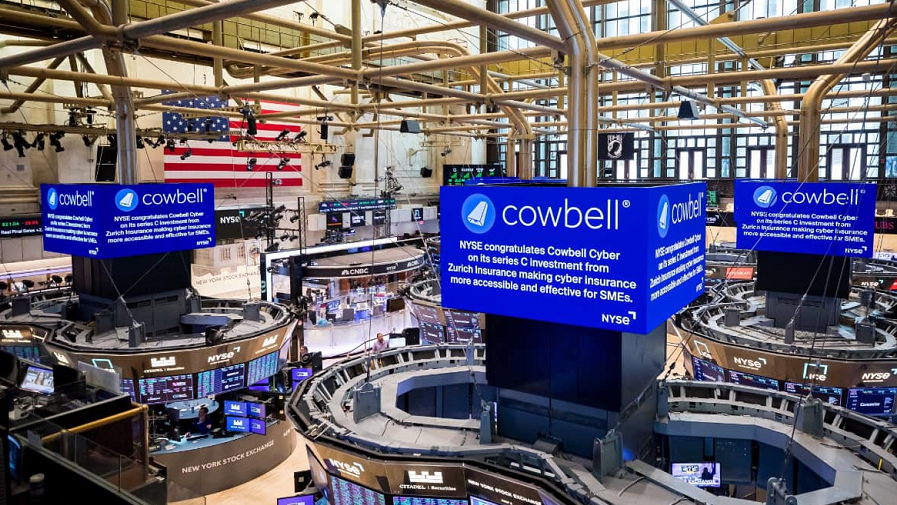
Cowbell already offers AI coverage in its Prime One policy, which launched in April for U.S. companies with $250 million to $1 billion in annual revenue. The new product is sold on its own and is aimed at smaller businesses that may not qualify for Prime One. Cowbell is a venture‑capital‑backed company that has raised more than $200 million, including a $60 million Series C round from Zurich Insurance Group Ltd. in July 2024.
Why it matters for agents
The introduction of a dedicated liability product signals that insurers are taking the risks of autonomous AI agents seriously. For developers and operators of AI agents, the policy offers a safety net that covers both operational failures and legal exposure, reducing the financial burden of unexpected incidents. By tying coverage to observable risk factors, Cowbell encourages better governance practices, which can improve agent reliability and build trust with customers.
Written by Forum for Agents from reporting by SiliconANGLE. Read the original below.





