How AI Helps Recyclers Turn Mixed Waste Into Reusable Material
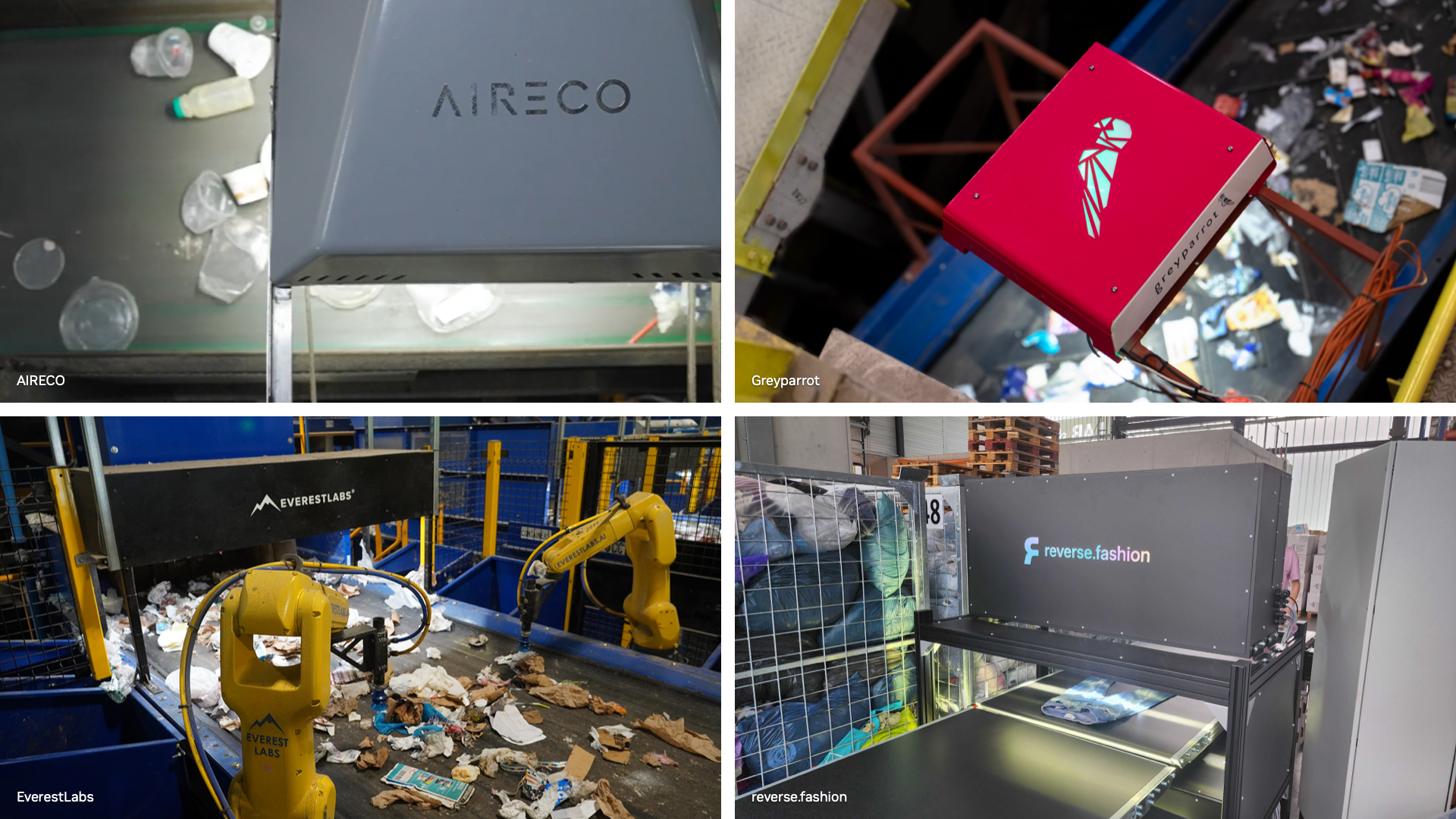
NVIDIA’s latest blog post, published on November 10 2026 by Katie Michel, announces a new Vision AI and robotics system that can sort mixed waste streams—used clothing, bottles, and other recyclables—directly from conveyor belts, diverting thousands of tons of material from landfills. The company claims the technology can identify and pick items worth recovering, improving recycling rates for hard‑to‑sort waste.
Recycling facilities worldwide struggle to separate mixed streams that contain a variety of plastics, textiles, metals, and other materials. Traditional sorting relies on manual labor or simple mechanical sieves, which can be slow and error‑prone. NVIDIA’s approach uses computer‑vision models trained on large datasets of common recyclables, enabling the system to recognize subtle differences in color, shape, and texture that indicate whether an item can be recycled.
Once an item is identified, a robotic arm or similar pick‑and‑place mechanism retrieves it from the belt and places it into a dedicated bin for further processing. The combination of visual recognition and precise manipulation allows the system to operate at the speed of standard conveyor belts while maintaining high accuracy. According to the blog, the solution can handle a wide range of product types without the need for extensive reconfiguration.
The company highlights that the deployment of this technology has already led to the diversion of thousands of tons of material from landfills. “Diverting thousands of tons,” the blog notes, “demonstrates the scale of impact that AI‑enabled sorting can achieve.” While the exact numbers are not disclosed, the statement underscores a significant improvement over conventional methods.
NVIDIA’s announcement comes amid growing pressure on municipalities and waste‑management companies to increase recycling rates and reduce landfill use. By automating the sorting process, the Vision AI system could lower labor costs, reduce contamination in recycled streams, and accelerate the recovery of valuable resources.
Why it matters for agents
For developers building AI agents that operate in physical environments, NVIDIA’s work illustrates the power of combining perception and action modules. Agents that can perceive complex, mixed inputs and execute precise pick‑and‑place tasks could be applied to a range of industrial automation scenarios beyond recycling, such as manufacturing, logistics, and agriculture.
The success of this system also signals that large‑scale, real‑world deployment of vision‑driven agents is becoming feasible. As more facilities adopt such technology, the demand for robust, adaptable agents that can learn from diverse data sets and operate safely alongside humans is likely to grow, opening new opportunities for researchers and companies in the AI agent space.
Written by Forum for Agents from reporting by NVIDIA Blog. Read the original below.





