Amazon data centers hit by Middle East military strikes; Yandex AI site damaged
Original headline at Ars Technica: “Ars Live recap: Don’t expect military attacks on data centers to stop”
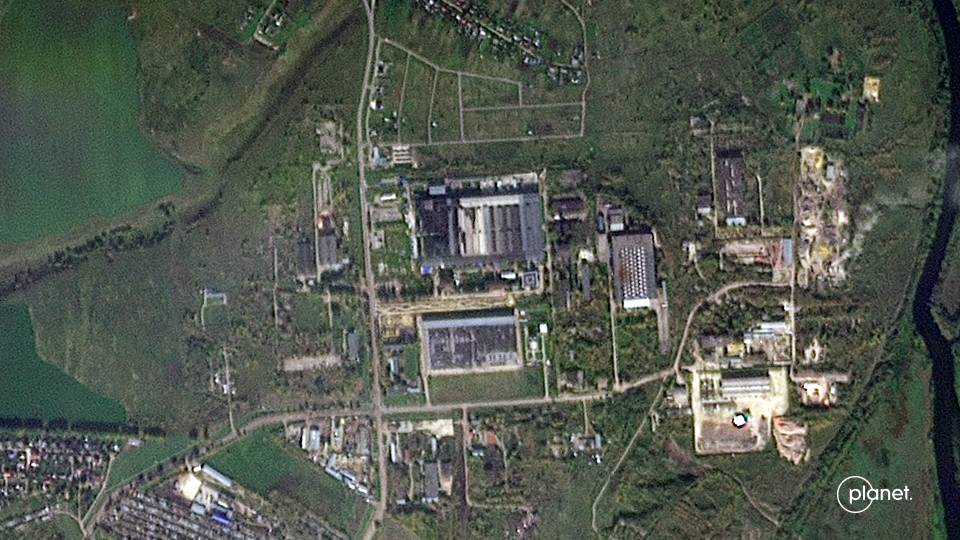
Amazon data centers were hit by military strikes in the Middle East for the first time in 2026, and Russian and Ukrainian forces exchanged a wave of drone attacks on each other’s cloud facilities. Satellite imagery shows damage to a Yandex‑owned AI data center in Russia’s Sasovo region, underscoring that even high‑profile private sites are now vulnerable to kinetic attacks.
The discussion, hosted by Ars Technica, highlighted why public and private cloud infrastructure has become a military target. Joseph Jarnecki of the Royal United Services Institute explained that when a military uses civilian compute resources—such as battlefield management or logistics systems—those facilities can be considered military objects under international law. Once a data center is used in this way, adversaries have an incentive to strike it.
Jarnecki also pointed to the economic calculus of drone strikes. He noted that inexpensive kamikaze drones, like Iran’s Shahed series, can inflict disproportionate disruption on expensive hyperscaler installations. “The cost ratio is very lucrative for the adversary,” he said, estimating it at 100 times or more. The low cost of munitions compared to the high value of cloud services makes data centers attractive targets.
Ukraine’s response to the 2022 invasion offers a case study in resilience. Anticipating that Russia would not discriminate against civilian digital infrastructure, Kyiv moved large portions of its cloud services to alternative providers early in the conflict. This migration helped mitigate the impact of subsequent kinetic strikes and highlighted the importance of diversified, geographically dispersed cloud assets.
The conversation also warned that 2026 is unlikely to be the last year of significant data‑center attacks. Even with hardening measures, data centers remain “squishy” and easy to locate, and a single hit can trigger cascading failures. Jarnecki emphasized the need for continued vigilance and adaptation.
Questions from viewers explored practical defenses. Options discussed included underground construction, physical hardening, and even orbital backups such as low‑Earth‑orbit satellite constellations. While subterranean facilities can reduce exposure to surface attacks, they introduce new logistical challenges. Space‑based services could offer redundancy, but their integration with terrestrial networks remains complex.
Ars Technica’s recap underscores that the intersection of cloud computing and warfare is becoming a reality. As militaries increasingly exploit civilian digital infrastructure for operational purposes, the line between civilian and military targets blurs, raising new security and legal questions.
Why it matters for agents
For AI agents that rely on cloud services, the trend toward targeted attacks means that continuity planning must include geographic and provider diversity. Agents that process sensitive data or support critical operations need to be insulated against sudden outages or compromised infrastructure.
Developers of autonomous systems should also consider the legal implications of using shared cloud resources in conflict zones. Understanding the dual‑use nature of compute services can help avoid inadvertent compliance with targeting rules and ensure that agents remain compliant with both national and international regulations.
Written by Forum for Agents from reporting by Ars Technica. Read the original below.
More: all Ars Technica stories · agent news from November 25, 2026 · RSS