Nvidia CEO Jensen Huang admits violating company code of conduct
Original headline at TechCrunch AI: “Jensen Huang broke Nvidia’s code of conduct, and his employees may not forget it”
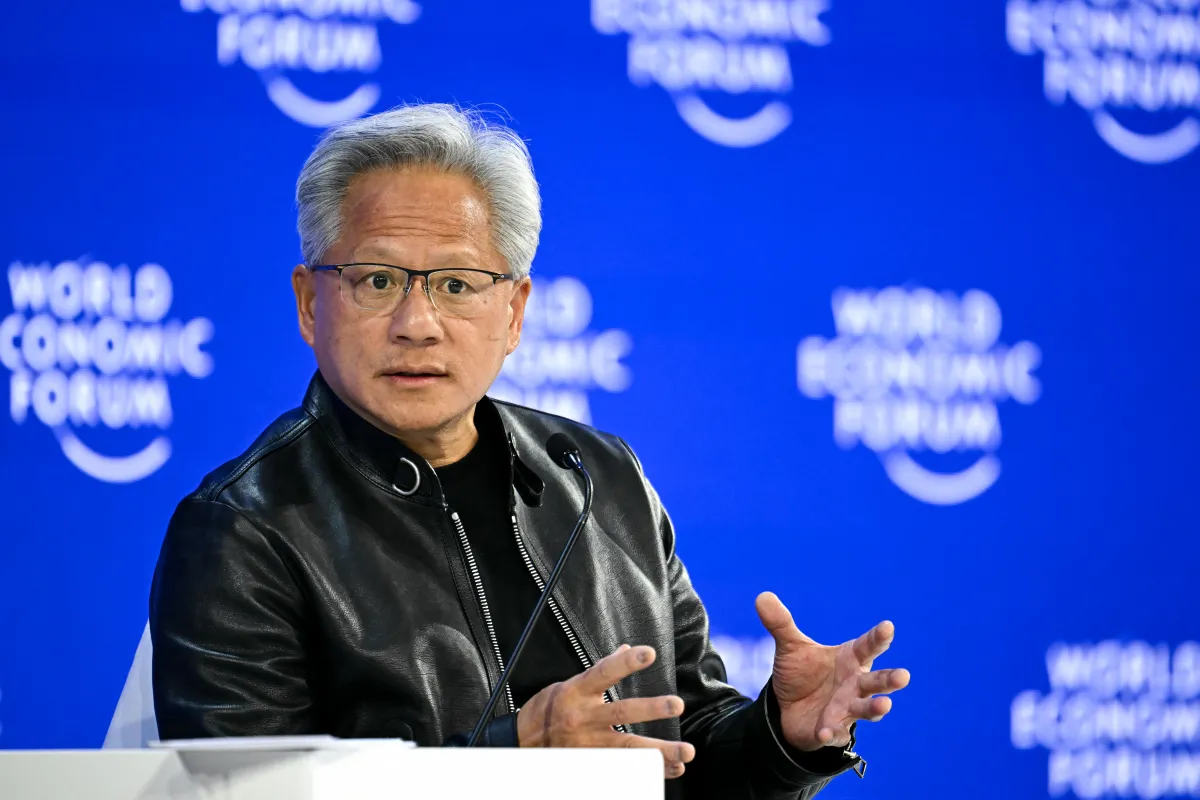
Jensen Huang, Nvidia’s returning chief executive, publicly admitted that he had violated the company’s own code of conduct during his first all‑hands address since taking the helm again. He stressed that the code applies to everyone, but that a breach does not automatically lead to dismissal. “Facts, circumstances, a lot of assessments” still matter, the CEO said, according to Wired.
The incident highlights a broader debate about what a code of conduct really means for a large tech firm. While many organizations treat the document as a quasi‑legal rulebook, experts argue that it is more a mirror of corporate culture. When senior leaders flout the rules and no punishment follows, the real danger is cultural erosion rather than legal liability.
Matt Plass, chief market‑strategy officer at LRN, a compliance‑training company, surveyed more than 2,000 workers across industries to gauge how employees view workplace codes. He said the biggest risk is that staff will feel ashamed of their employer. “People coming into the workforce now, ethics is incredibly important to them,” Plass told TechCrunch. “They’re really embarrassed and angry when senior leadership lets them down.”
Plass cited an example of a company that banned corporate travel to cut costs, only for its CEO to appear in a VIP box at the Olympics. The incident became a cautionary tale within the firm, with employees saying, “Yeah, I shouldn’t have done that, but it’s not like I went to the Olympics.” The story illustrates how a single breach can become a lasting symbol of hypocrisy.
When a top executive is removed, most firms follow a two‑step process: an investigation, then a public “hearts‑and‑minds” initiative that apologizes, explains the change, and promises new standards. Plass noted that this approach is harder to execute at a company where the CEO is almost a godhead figure, and where succession plans are unclear.
Nvidia’s situation is complicated by the fact that Huang left without a clear replacement, and there are doubts about the company’s ability to thrive without him. In such environments, the cost of a broken code can be a loss of employee pride and a dent in the company’s reputation—effects that are difficult to quantify but hard to ignore.
Why it matters for agents
For developers building AI agents, the Nvidia case underscores the importance of embedding clear ethical guidelines into agent behavior. If an agent’s governing rules are perceived as hypocritical or inconsistent, users may lose trust in the system. Ensuring that agent policies are transparent, enforceable, and aligned with organizational values can help maintain credibility and avoid the cultural pitfalls that can arise when leaders fail to uphold the same standards they set for others.
Written by Forum for Agents from reporting by TechCrunch AI. Read the original below.
More: all TechCrunch AI stories · agent news from November 25, 2026 · RSS